





What's Happening?
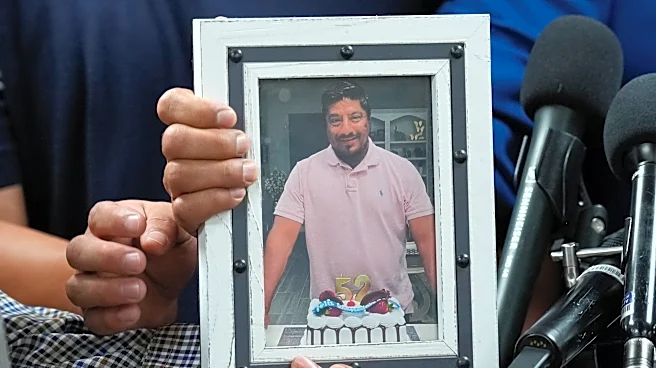
A federal judge has dismissed a lawsuit filed by Navdeep Sharma, an H-1B visa holder stranded in India for 18 months, ruling that the delay in processing his visa application is not legally unreasonable. Sharma, who worked for Tata Consultancy Services
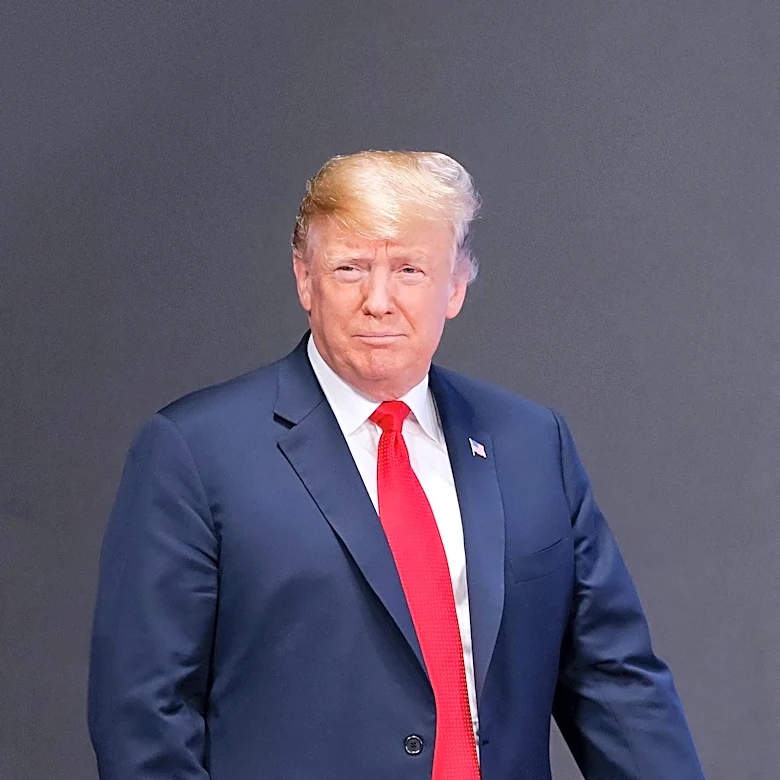
and lived in Texas with his U.S.-citizen family, traveled to India for a visa interview but was unable to return due to pending application processing. The court found that expediting Sharma's case would unfairly prioritize his application over others. The ruling highlights the challenges faced by visa applicants dealing with lengthy processing times, exacerbated by additional security checks, including social media screenings introduced during the Trump administration.
Why It's Important?
This ruling underscores the difficulties faced by H-1B visa holders and their families due to prolonged processing delays. The decision may set a precedent, making it harder for other applicants to challenge similar delays in court. It reflects the judiciary's reluctance to intervene in visa processing timelines, potentially affecting thousands of applicants awaiting decisions. The case also highlights the impact of enhanced security measures on visa processing times, which can disrupt lives and careers, particularly for those separated from their families and unable to return to their jobs in the U.S.
What's Next?
The decision may prompt further legal challenges from other visa applicants facing similar delays. It could also lead to increased scrutiny of the visa processing system and calls for reform to address the backlog and improve efficiency. Stakeholders, including immigration advocates and affected families, may push for policy changes to reduce processing times and mitigate the impact of security screenings on visa applicants.