
What's Happening?
The Department of Homeland Security (DHS) has entered a partial shutdown following Congress's failure to pass a funding bill. This lapse affects DHS, which is responsible for border security, airport screening, disaster response, cybersecurity, and immigration
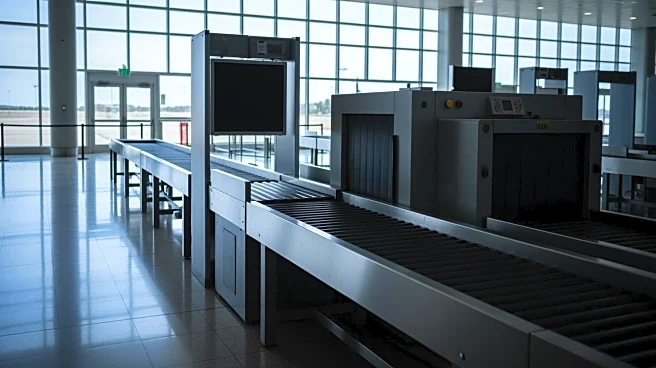
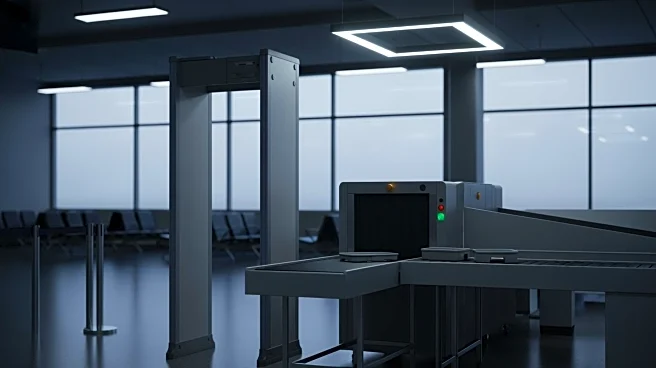
enforcement. While most of the federal government remains funded, DHS does not. Essential functions such as TSA airport screening, CBP operations, and immigration enforcement continue, but administrative offices, internal audits, and some training programs may slow or pause. The shutdown stems from stalled negotiations over immigration policy and border enforcement funding. Lawmakers were unable to agree on a full-year appropriations bill or a short-term continuing resolution before the deadline, causing DHS funding to expire.
Why It's Important?
The partial shutdown of DHS highlights the ongoing political struggle over immigration policy and border enforcement funding. Essential personnel remain on duty, ensuring that critical operations continue. However, the shutdown delays modernization efforts, slows administrative systems, and strains workforces. The longer the shutdown persists, the greater the cumulative strain on workforce morale, overtime budgets, and logistical coordination. This situation underscores the importance of timely legislative action to ensure the uninterrupted functioning of agencies responsible for national security, disaster response, and immigration enforcement.
What's Next?
Negotiations between congressional leaders and the White House remain stalled over immigration provisions tied to DHS funding. Lawmakers left Washington without passing a continuing resolution, meaning any breakthrough would require either a negotiated compromise or a recall vote. Historically, shutdowns end when political pressure outweighs leverage. For now, both sides appear firm in their positions, reducing the likelihood of a quick resolution. If a short-term funding extension emerges, DHS could reopen within days. If broader immigration disputes persist, the shutdown could stretch longer, with operational strain gradually increasing behind the scenes.