










What's Happening?
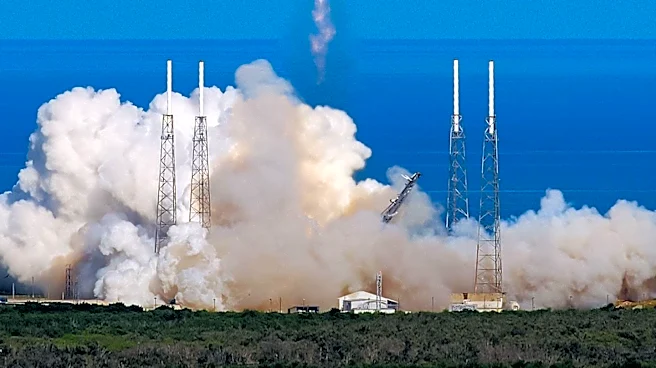
The U.S. Space Force successfully executed the Victus Haze mission, demonstrating its ability to rapidly deploy spacecraft in response to potential threats. The mission involved Rocket Lab launching a satellite using its Electron rocket from New Zealand's
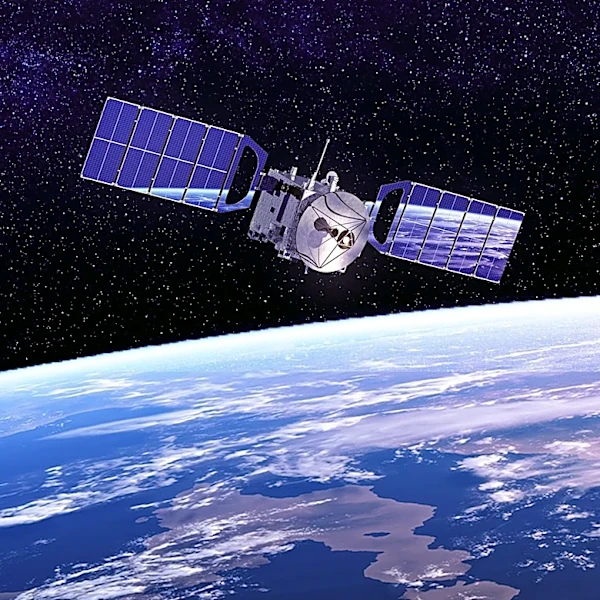
Mahia Peninsula, just 16 hours and 42 minutes after receiving the launch order. This operation is part of the Space Force's Tactically Responsive Space (TacRS) program, which aims to enhance the military's capability to quickly respond to emerging threats in space. The mission also involved True Anomaly, which provided a second spacecraft for rendezvous and proximity operations.
Why It's Important?
The Victus Haze mission underscores the U.S. Space Force's commitment to maintaining a strategic advantage in space by developing rapid response capabilities. This ability to quickly launch and deploy satellites is crucial for national security, as it allows the U.S. to address threats and maintain situational awareness in space. The mission also highlights the growing role of commercial partnerships in military operations, as companies like Rocket Lab and True Anomaly provide critical technology and support. The success of this mission could lead to further advancements in responsive space operations, enhancing the U.S.'s ability to protect its interests in space.
What's Next?
The Victus Haze mission is expected to continue for approximately six months, during which the two spacecraft will demonstrate joint rendezvous and proximity operations. The Space Force plans to conduct additional Victus missions, including Victus Surgo and Victus Salo, which will involve launching highly maneuverable spacecraft for space domain awareness missions. These missions are scheduled for 2027. The Space Force's ongoing efforts to develop tactically responsive space capabilities will likely lead to more frequent and sophisticated operations, further integrating commercial technology into military strategies.