
What's Happening?
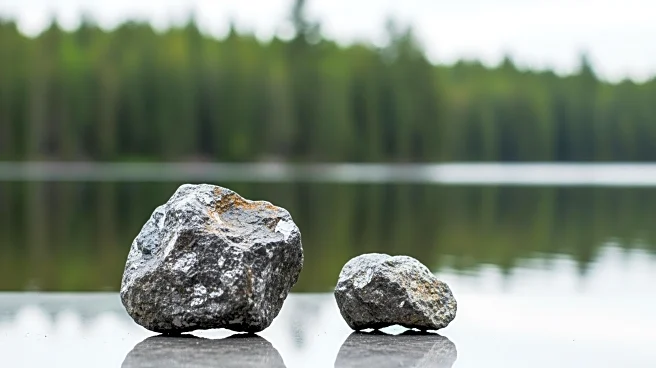
House Republicans have voted to end a longstanding moratorium on mining near the Boundary Waters Canoe Area Wilderness in Minnesota. This decision, if approved by the Senate and signed by the president,
would lift a ban that has been in place for two decades. The moratorium was initially established to protect the area from the environmental impacts of mining. The renewed interest in mining was sparked by a Chilean company's proposal to open a copper mine in the Superior National Forest, which had been previously blocked in 2023. U.S. Representative Pete Stauber has criticized the moratorium, describing it as 'an attack on our way of life.' In contrast, environmental groups, including the Sierra Club, have expressed concerns about the potential ecological damage, with Jackie Feinberg highlighting the risks to the fragile ecosystem.
Why It's Important?
The decision to potentially lift the mining ban in the Boundary Waters region is significant due to the environmental and economic implications. Mining operations are known to cause water contamination, air pollution, and biodiversity loss, as noted in the Journal of Environmental Management. The area in question is a popular camping destination and a critical natural habitat, making its protection a priority for environmentalists. The economic benefits of mining, such as job creation and resource extraction, are weighed against these environmental risks. The debate reflects broader global trends, as seen in countries like Ghana and Colombia, where mining restrictions have been implemented to protect natural resources. The outcome of this decision could set a precedent for how the U.S. balances economic development with environmental conservation.
What's Next?
The resolution to end the mining moratorium will now move to the Senate for consideration. If passed, it will require the president's signature to become law. Environmental groups are expected to continue their advocacy against the lifting of the ban, potentially leading to legal challenges or public campaigns to raise awareness about the environmental risks. The mining industry, on the other hand, may prepare for potential operations in the area, contingent on the resolution's approval. The decision will likely influence future policy discussions on natural resource management and environmental protection in the U.S.