






What's Happening?
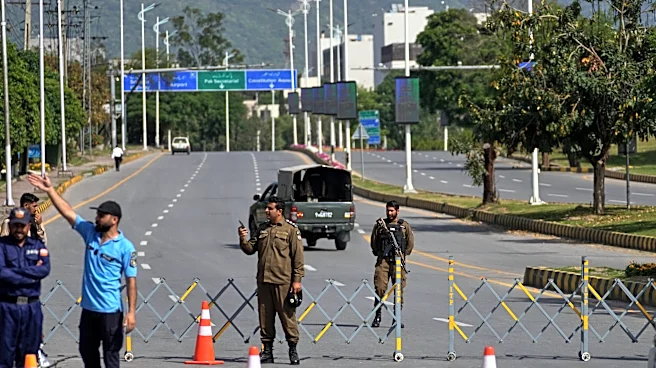
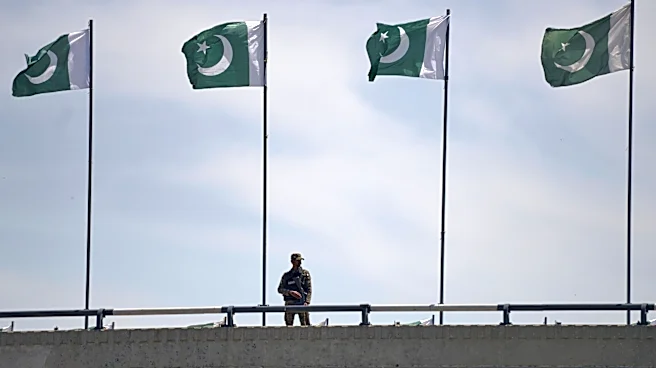
As the deadline for the U.S.-Iran ceasefire approaches, Iran has yet to confirm its participation in upcoming peace talks in Islamabad. Pakistan's information minister, Attaullah Tarar, indicated that the ceasefire might end earlier than expected if Iran does
not engage. The U.S. has signaled its readiness to resume military actions if talks do not proceed. Despite exchanges suggesting potential talks, Iran's official stance remains unclear, with demands for reparations and control over the Strait of Hormuz complicating negotiations.
Why It's Important?
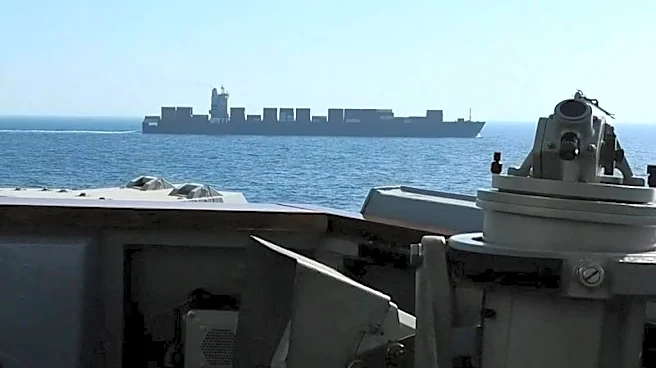
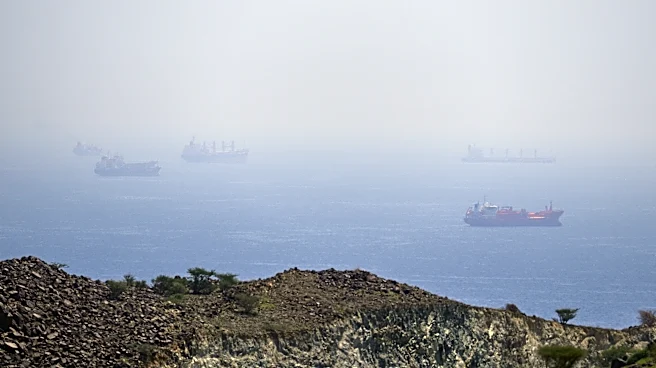
The uncertainty surrounding Iran's participation in peace talks highlights the fragile nature of the ceasefire and the potential for renewed conflict. The Strait of Hormuz, a critical chokepoint for global oil shipments, remains a strategic concern. Any disruption could lead to significant economic impacts, including increased oil prices and market instability. The situation also reflects broader geopolitical tensions, with implications for U.S. foreign policy and regional alliances.
What's Next?
The immediate focus is on diplomatic efforts to secure Iran's participation in the talks. The U.S. and its allies are likely to continue pressure tactics, including economic sanctions and military posturing, to bring Iran to the table. The outcome of these efforts will determine the next phase of U.S.-Iran relations and the stability of the Middle East. The international community is watching closely, given the potential for escalation and its global ramifications.