




What's Happening?
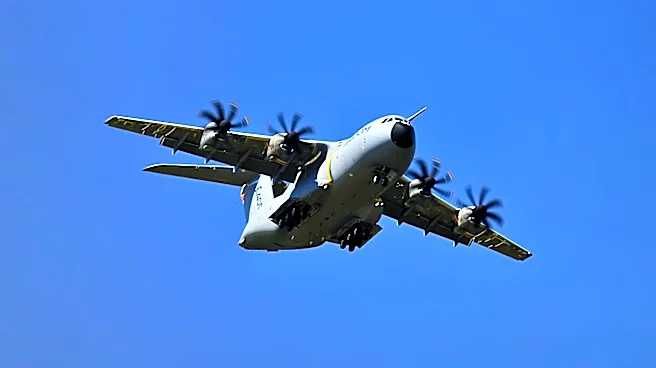
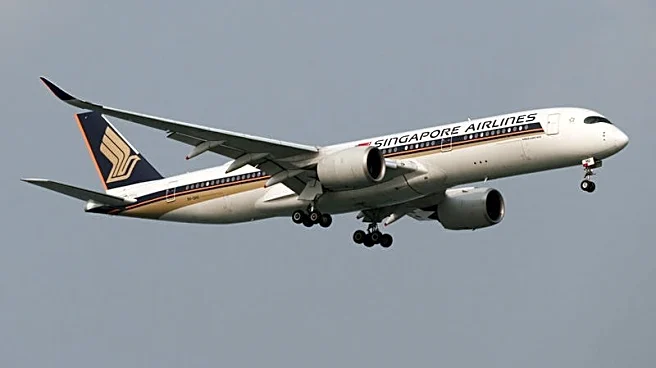
Kazakhstan has completed its order for two A400M Atlas military transport aircraft from Airbus, with the second aircraft landing in Almaty on November 2, 2026. This delivery finalizes a contract signed in September 2021, which also included training and maintenance
support. The first A400M was delivered in December 2024. These aircraft will be operated by Kazakhstan’s Air Defense Forces, significantly enhancing the country's strategic airlift capabilities. Their roles include transporting troops and equipment, facilitating emergency response and evacuation operations, delivering humanitarian aid, and deploying Kazakh personnel on international peacekeeping missions. Kazakh flight crews, along with engineering and maintenance staff, received training at Airbus’s facility in Seville, ensuring operational readiness in parallel with the aircraft deliveries. Notably, Kazakhstan’s A400Ms lack the in-flight refueling probe found on some other nations' aircraft, suggesting a primary focus on tactical and strategic airlift and humanitarian missions rather than long-range joint operations requiring air-to-air refueling.
Why It's Important?
The completion of Kazakhstan's A400M fleet is important for regional stability and international cooperation, particularly in Central Asia. By acquiring these advanced military transport aircraft, Kazakhstan significantly boosts its independent capacity for regional crisis response, disaster relief, and participation in international peacekeeping missions. This move positions Kazakhstan as one of the few Central Asian countries with strategic airlift capabilities of this class, potentially altering the dynamics of regional security and humanitarian aid efforts. The A400M's versatility, capable of handling both tactical and strategic transport roles, provides Kazakhstan with a flexible asset for various operational needs. Furthermore, this acquisition is seen as part of a broader trend of Kazakhstan diversifying its defense-industrial ties westward, which could have implications for geopolitical alignments and defense partnerships in the region.
What's Next?
With the full A400M fleet now operational, Kazakhstan's Air Defense Forces are expected to integrate these aircraft fully into their strategic planning and operations. This will likely involve increased participation in international exercises, enhanced capabilities for rapid deployment of personnel and equipment, and a more robust response to domestic emergencies and humanitarian crises. The absence of an in-flight refueling probe suggests that Kazakhstan's immediate focus will remain on regional airlift and humanitarian missions, but future upgrades or additional acquisitions could expand their operational reach. The successful integration of these aircraft could also serve as a model for other Central Asian nations looking to modernize their air transport capabilities, potentially leading to further defense procurements in the region and strengthening ties with Western defense suppliers.
Beyond the Headlines
The acquisition of the A400M fleet by Kazakhstan represents more than just a military upgrade; it signifies a strategic shift towards greater self-reliance and a more active role in regional and international affairs. By possessing independent strategic airlift capabilities, Kazakhstan can project its influence and respond to crises without relying solely on external partners, fostering a sense of national sovereignty and operational autonomy. This development could also have cultural implications, as the military's enhanced capacity for humanitarian aid and peacekeeping missions may bolster national pride and international standing. The decision to forgo in-flight refueling capabilities, while practical for current needs, also highlights a nuanced approach to defense spending and strategic priorities, reflecting a tailored defense posture rather than a blanket adoption of all available military technologies. This could influence how other developing nations approach their own defense modernization efforts, balancing advanced capabilities with specific national requirements and budgetary constraints.