

What's Happening?
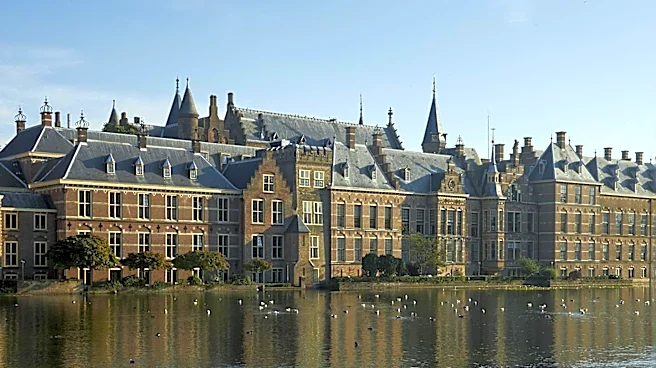
The Dutch government has decided not to compensate businesses affected by the ongoing drought, citing it as an entrepreneurial risk rather than a natural disaster. The drought has led to low water levels, affecting inland vessels and houseboat owners,
and causing economic damage estimated in the tens of millions of euros. The government is prioritizing the preservation of dikes and ensuring drinking water availability over financial aid to businesses. The situation remains a shortage but not yet a crisis, with potential changes if the drought persists.
Why It's Important?
This decision highlights the challenges governments face in balancing economic support with resource management during environmental crises. The lack of compensation could strain businesses already struggling with the economic impact of climate change. It also raises questions about the role of government in mitigating the effects of natural phenomena and the responsibilities of businesses to adapt to environmental risks. The situation underscores the need for sustainable water management and long-term planning to address climate-related challenges.
What's Next?
If the drought continues, the Dutch government may need to reassess its priorities and consider additional measures to support affected sectors. The situation could lead to increased advocacy for climate adaptation strategies and investments in water management infrastructure. Businesses may also need to explore innovative solutions to mitigate the impact of water shortages and ensure resilience against future environmental challenges.