





What's Happening?
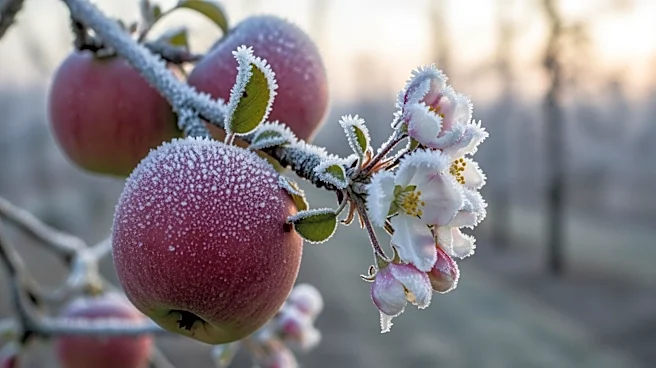
Fruit growers in Pennsylvania are experiencing significant losses following a historic spring freeze that devastated crops across the state. The freeze, which occurred in April, has led to estimated losses of 70% to 90% in many fruit crops, according
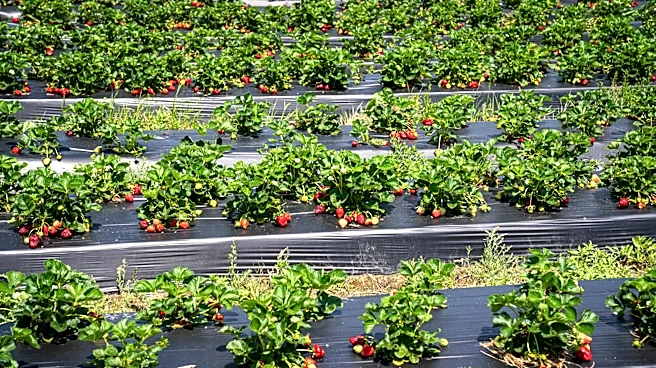
to Daniel Weber, a horticulture educator with Penn State Extension. The Pennsylvania Department of Agriculture estimates the financial impact on the state's specialty crop industry to be between $150 million and $200 million. This freeze has particularly affected growers who had already seen their crops bloom due to earlier warm temperatures. Pennsylvania is a major producer of apples, peaches, grapes, cherries, and strawberries, making this freeze a significant blow to the state's agricultural sector.
Why It's Important?
The losses from the spring freeze have far-reaching implications for Pennsylvania's agricultural economy, which is a key component of the state's overall economic health. The financial impact on fruit growers could lead to increased prices for consumers and potential shortages of certain fruits. Additionally, the freeze highlights the vulnerability of agriculture to climate variability and extreme weather events, which are becoming more frequent. This situation underscores the need for improved disaster preparedness and adaptive strategies in agriculture to mitigate the effects of climate change. The economic strain on farmers could also lead to reduced investments in future crop production, affecting the long-term sustainability of the industry.
What's Next?
In response to the freeze, affected growers may seek financial assistance or insurance claims to recover some of their losses. The state government and agricultural organizations might also explore support measures to help farmers rebuild and adapt to changing climate conditions. There could be increased advocacy for policies that support agricultural resilience and climate adaptation. Additionally, researchers and extension services may focus on developing more resilient crop varieties and farming practices to withstand extreme weather events. The situation may also prompt discussions on the need for better forecasting and early warning systems to help farmers prepare for similar events in the future.