



What's Happening?
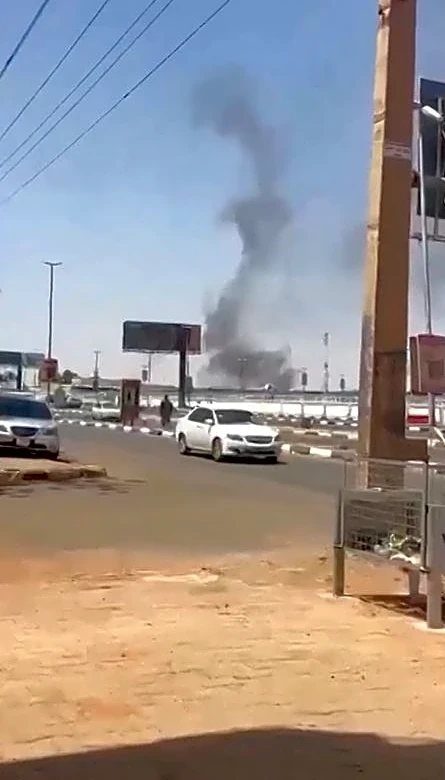
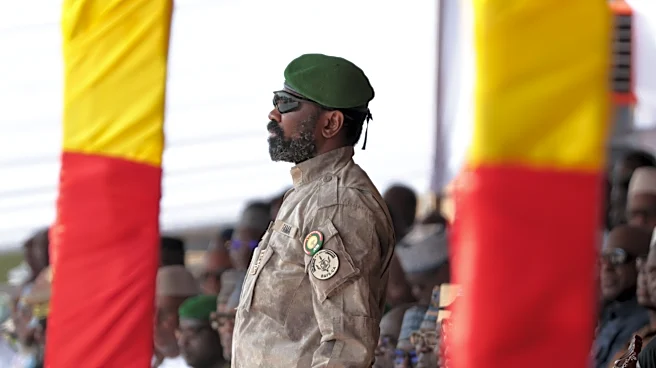
Mountaga Tall, a former Malian minister and critic of the ruling junta, was abducted from his home in Bamako by armed men believed to be from the government forces. The incident occurred amid a series of coordinated attacks against the Malian government by jihadis
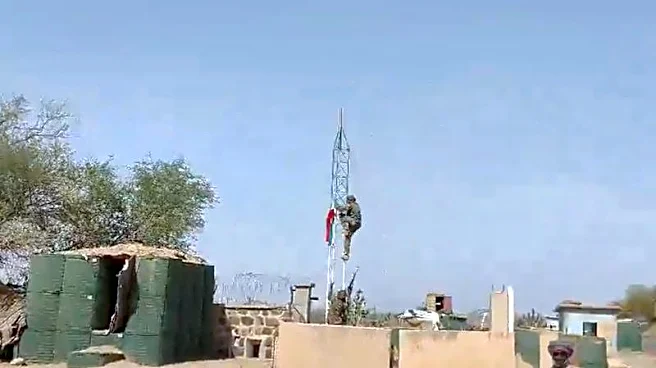
and rebels, which have led to significant unrest in the country. Tall, who served as Mali’s education and science minister from 2016 to 2017, is a prominent figure in the opposition National Congress for Democratic Initiative. His family has filed a complaint regarding his kidnapping and disappearance, but the government has not commented on the arrests. The abduction is part of a broader crackdown by the military government following recent attacks that resulted in the death of the defense minister and the seizure of several towns and military bases.
Why It's Important?
The abduction of Mountaga Tall highlights the escalating political tensions and instability in Mali, a country already grappling with significant security challenges. This development underscores the fragile state of governance in Mali and the potential for further unrest as the military government seeks to consolidate power. For the international community, particularly the U.S., this situation raises concerns about regional stability in West Africa and the potential for increased violence and human rights abuses. The abduction also reflects the broader challenges faced by opposition figures in authoritarian regimes, where dissent is often met with harsh reprisals.
What's Next?
The international community may increase pressure on the Malian government to address human rights concerns and ensure the safety of political opponents. Diplomatic efforts could be intensified to mediate between the government and opposition groups to prevent further escalation of violence. Additionally, regional organizations such as the African Union may become more involved in seeking a resolution to the crisis. The situation in Mali could also prompt discussions about the role of international peacekeeping forces and the need for increased support to stabilize the region.