








What's Happening?
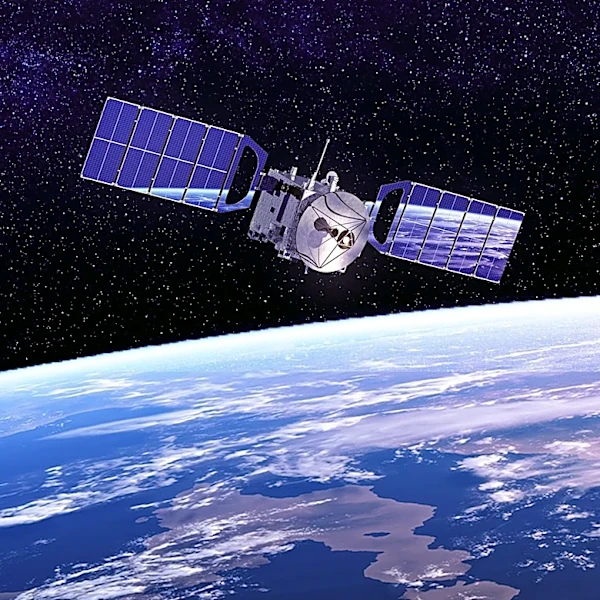
NASA has announced plans to retire the International Space Station (ISS) by 2030, with a controlled deorbit scheduled. The ISS, a collaborative effort involving the United States, Japan, Canada, and European Space Agency countries, has been a cornerstone
of international space cooperation. However, with its planned retirement, China’s Tiangong space station could become the only permanently crewed outpost in Earth orbit if no commercial successors are ready. The Tiangong station, launched in 2021, has been operating with regular crew rotations and cargo support, establishing itself as a significant infrastructure in space. The Wolf Amendment, passed in 2011, has restricted NASA from engaging in bilateral cooperation with China, leading to the development of separate space programs.
Why It's Important?
The retirement of the ISS marks a significant shift in the landscape of international space exploration. If commercial space stations are not operational by 2030, China’s Tiangong could become the primary platform for human spaceflight, altering the geopolitical dynamics of space exploration. This transition could impact international research collaborations, astronaut training, and the commercial space industry. The U.S. aims to transition to a model where NASA purchases services from privately owned stations, but the readiness of these commercial platforms remains uncertain. The outcome will influence global space policy and the balance of power in low Earth orbit.
What's Next?
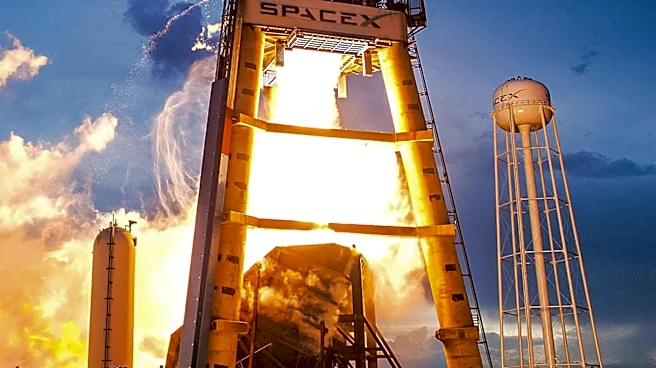
The next steps involve monitoring the development of commercial space stations, such as those proposed by Axiom Space and Orbital Reef. NASA’s selection of SpaceX to develop a deorbit vehicle for the ISS is a critical component of the retirement plan. The timeline for commercial station readiness will be crucial in determining whether the U.S. can maintain a continuous human presence in space. Additionally, China’s continued development and operation of the Tiangong station will be closely watched as it could become a central hub for international space activities if commercial alternatives are delayed.
Beyond the Headlines
The potential shift to a Chinese-led space station era raises questions about international cooperation and access to space. The Tiangong station operates under Chinese governance, which may limit foreign participation compared to the ISS’s collaborative framework. This could lead to a more fragmented approach to space exploration, with countries needing to navigate new diplomatic and operational challenges. The situation underscores the importance of timely development of commercial space infrastructure to ensure diverse and open access to space for scientific and commercial purposes.