
What's Happening?
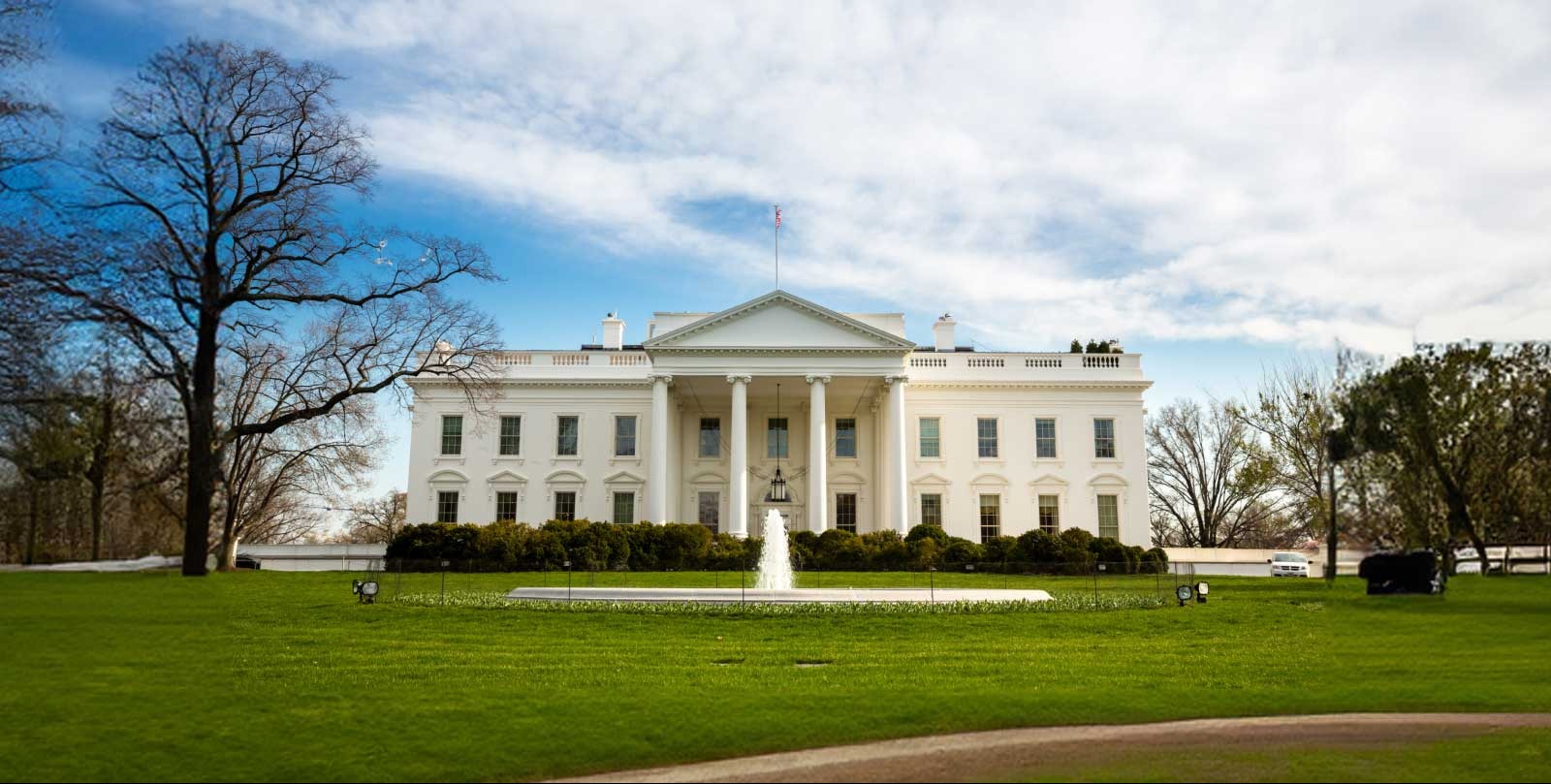
The White House, alongside a bipartisan group of governors, is urging the operator of the mid-Atlantic power grid, PJM Interconnection, to take immediate action to address power shortages and price spikes driven by the energy demands of artificial intelligence.
This initiative includes a proposal for a power auction where tech companies can bid on contracts to build new power plants. The Trump administration and several state governors, including those from Pennsylvania, Ohio, and Virginia, are expected to sign a statement of principles to support this plan. The event, aimed at addressing voter concerns over energy costs, is scheduled for Friday. Pennsylvania Governor Josh Shapiro has conditioned his participation on including measures to limit wholesale electricity price increases. However, PJM Interconnection has not been invited to the event. The rising energy costs are attributed to the power demands of data centers, which are expanding faster than new power plants can be constructed.
Why It's Important?
This development is significant as it highlights the growing tension between the energy demands of AI technologies and the existing power infrastructure. The mid-Atlantic region, which includes parts of 13 states and Washington, D.C., is experiencing increased electricity costs, impacting both consumers and businesses. The initiative by the White House and governors aims to provide long-term relief by encouraging the construction of new power plants. This move could potentially stabilize electricity prices and ensure a reliable power supply, which is crucial for the continued growth of AI and tech industries. However, the absence of PJM Interconnection from the discussions raises questions about the feasibility and implementation of the proposed solutions.
What's Next?
The next steps involve the formal signing of the statement of principles by the Trump administration and participating governors. This could lead to the organization of power auctions and the potential construction of new power plants. The outcome of these efforts will likely influence upcoming elections, as energy costs remain a critical issue for voters. Stakeholders, including consumer advocates and utility companies, will be closely monitoring the developments to assess the impact on electricity rates and infrastructure investments.