








What's Happening?
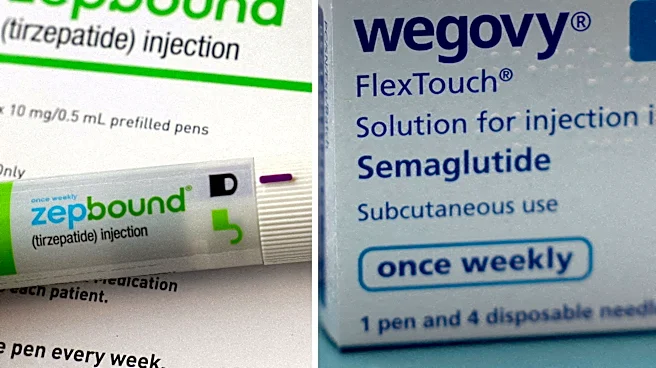
A recent review published in JAMA Otolaryngology indicates that GLP-1 weight-loss drugs, such as tirzepatide (marketed as Zepbound and Mounjaro), can significantly reduce the severity of obesity-related obstructive sleep apnea (OSA). Clinical trials included
in the review demonstrated that individuals taking tirzepatide experienced 20 to 24 fewer breathing interruptions per hour compared to those on a placebo. Nearly half of the participants achieved remission from OSA. Researchers from the University of Pittsburgh Medical Center suggest that the primary mechanism behind this improvement is weight loss, specifically the reduction of fat in the tongue and around the throat, which helps maintain an open airway during sleep. Obesity is a major contributing factor in most OSA cases, and until recently, no medication directly addressed this aspect of the condition. The U.S. Food and Drug Administration approved Zepbound for moderate to severe OSA in adults with obesity in 2024.
Why It's Important?
This development is significant for the millions of Americans suffering from obstructive sleep apnea, a condition linked to serious health issues including heart disease, stroke, diabetes, and high blood pressure. While CPAP machines remain the standard and most effective treatment, GLP-1 drugs offer a promising complementary therapy, particularly for patients who struggle with CPAP adherence or those whose OSA is primarily driven by obesity. The ability to reduce breathing interruptions and potentially achieve remission through medication could improve patient outcomes and quality of life. This also opens new avenues for treatment, potentially reducing the burden on healthcare systems by offering a less invasive option for some patients. The economic impact could be substantial, as improved sleep health can lead to increased productivity and reduced healthcare costs associated with OSA-related complications.
What's Next?
The researchers emphasize that GLP-1 drugs are best positioned as a complementary therapy alongside existing treatments like CPAP, rather than a standalone cure. Further research will likely focus on understanding the long-term efficacy of GLP-1 drugs in OSA treatment, identifying optimal patient populations, and exploring potential combinations with other therapies. Healthcare providers will need to integrate these new findings into their treatment protocols, offering patients a broader range of options. The pharmaceutical industry may also see increased demand for GLP-1 drugs as their benefits extend beyond weight loss to include conditions like sleep apnea, potentially influencing drug development and market strategies.
Beyond the Headlines
The success of GLP-1 drugs in treating obesity-related sleep apnea highlights the interconnectedness of various health conditions and the potential for single interventions to address multiple issues. This underscores the importance of a holistic approach to patient care, where underlying factors like obesity are recognized as central to a range of health problems. Ethically, the accessibility and cost of these medications will be a critical consideration, ensuring that all patients who could benefit have access to this promising treatment. This also prompts a broader discussion about preventive healthcare and lifestyle interventions, as weight management remains a key factor in mitigating the risk and severity of OSA.