






What's Happening?
A camera-trapping study conducted in a protected area in northern Laos, specifically the Nam Ha National Protected Area, has uncovered a paradoxical effect of community-led ecotourism. The research, published in Global Ecology and Conservation, indicates
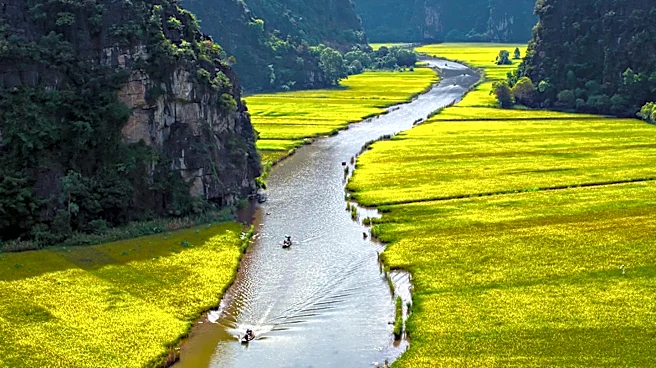
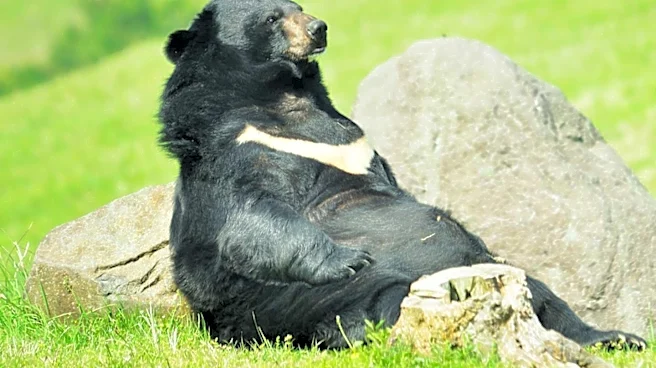
that while ecotourism initiatives can reduce localized hunting pressure, they also tend to scare wildlife away from areas frequented by tourists. Data collected between 2013 and 2019 showed that medium to large mammals were nearly twice as abundant in remote parts of the forest compared to sites closer to trekking and kayaking routes. Species like clouded leopards and sun bears appear to avoid human presence, including that of benign tourists. Conversely, some smaller predators and omnivores, such as marbled cats and black giant squirrels, were exclusively found in tourism areas, potentially benefiting from the absence of larger species.
Why It's Important?
This study highlights a complex challenge within the ecotourism sector, particularly for regions aiming to balance conservation with economic development. While ecotourism is often promoted as a tool for wildlife protection and community support, its direct impact on animal behavior needs careful consideration. The findings suggest that the mere presence of tourists, regardless of their intent, can alter wildlife distribution and potentially limit viewing opportunities, which are crucial for the industry's appeal. For U.S. organizations involved in international conservation efforts or promoting ecotourism, this research underscores the need for more nuanced strategies that minimize human disturbance while maximizing conservation benefits. It also raises questions about the effectiveness of current ecotourism models in truly creating 'refuges' for wildlife, especially in areas with a history of hunting.
What's Next?
Further research is needed in Nam Ha to fully understand how tourism influences hunting pressure and how hunting, in turn, affects mammal behavior. William Bleisch, the lead author, suggests that formally quantifying hunting pressure through metrics like snaring rates would be an informative next step. The study also implies that stricter habitat protection and controls on hunting are essential for ecotourism businesses to thrive and contribute to local livelihoods. The emerging union of tourism companies in the region is reportedly advocating for better landscape protection from the government. Without sustained international support for conservation efforts, the future of this globally significant landscape remains uncertain, potentially impacting the long-term viability of ecotourism as a conservation tool.
Beyond the Headlines
The study's findings delve into the ethical and practical dilemmas of human-wildlife interaction in conservation. It challenges the assumption that all forms of human presence are benign in protected areas, especially for species accustomed to avoiding humans due to hunting. The 'shield' effect of ecotourism, where tourist presence deters more destructive activities like gold mining and hunting, is acknowledged as a positive, yet it comes with the trade-off of displacing wildlife. This raises broader questions about how to design ecotourism experiences that genuinely benefit both local communities and wildlife without inadvertently creating new pressures. It also emphasizes the cultural context of hunting and the need for integrated approaches that address both economic incentives for conservation and traditional practices.