




What's Happening?
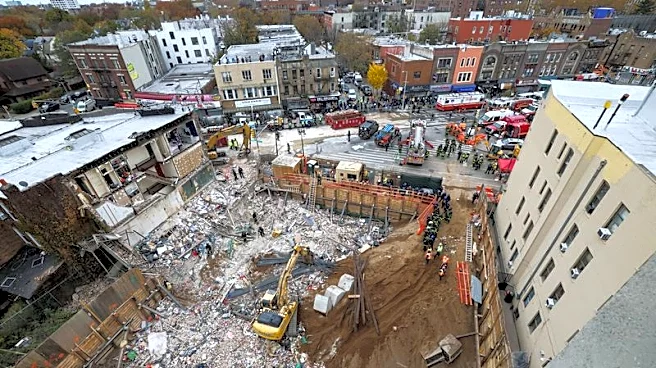
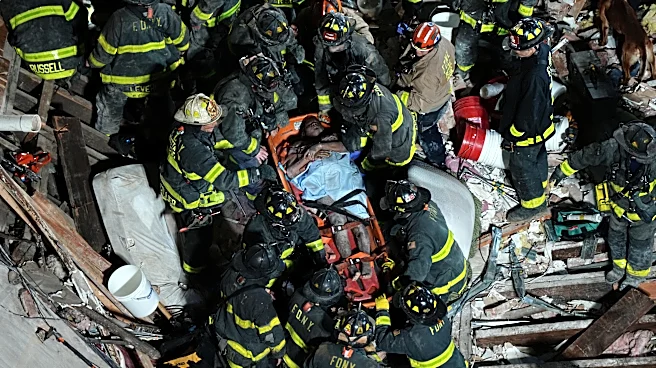
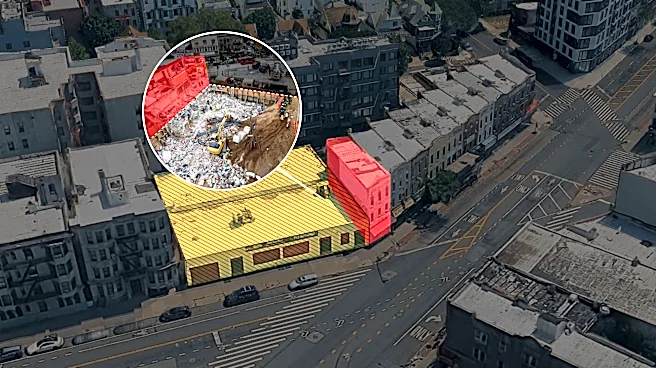
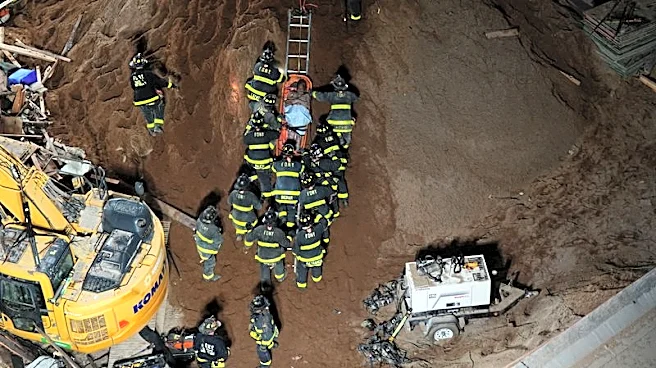
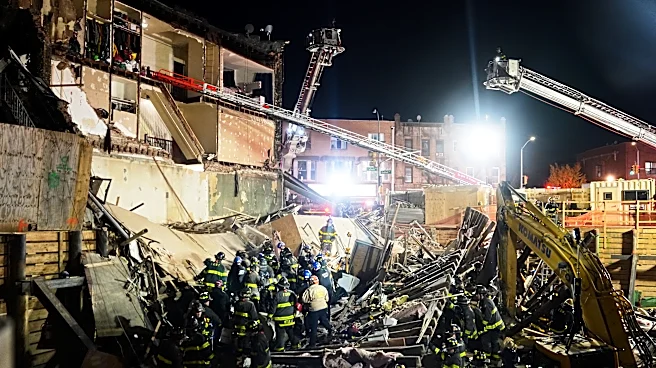
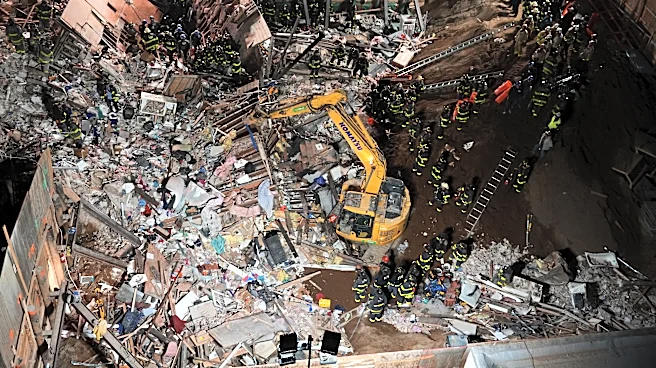
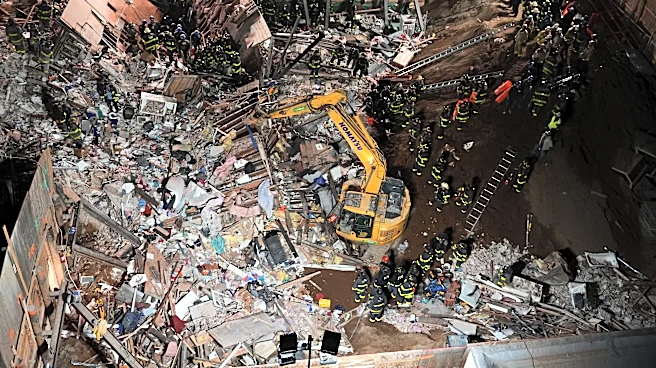
A three-story apartment building in Brooklyn, New York, collapsed, resulting in eight fatalities, including two children, and 18 injuries, among them four firefighters. The collapse occurred while construction workers were excavating an adjacent lot.
New York City Mayor Zohran Mamdani has ordered inspections at approximately 100 building sites linked to the companies involved in the project. Investigators have not yet determined the cause of the collapse. Witnesses reported hearing loud banging and seeing bricks fall just minutes before the incident. Residents in a neighboring building attributed cracks in their walls to vibrations from the construction. Emergency services concluded rescue operations after the last victim was recovered from the wreckage. The building had four apartments on its upper two floors and a commercial unit on the ground floor. Victims included individuals from Mexico, Colombia, Ecuador, and Trinidad, with two of the deceased being construction workers.
Why It's Important?
This incident highlights critical concerns regarding construction safety and regulatory oversight in New York City. The mayor's directive for widespread inspections indicates a serious response to potential systemic issues within the construction industry, particularly concerning demolition and excavation practices. The fatalities and injuries underscore the severe consequences of construction failures, impacting not only workers but also residents and the broader community. The involvement of multiple international victims also brings attention to the diverse demographics affected by such urban tragedies. The ongoing investigation will likely scrutinize the adherence to safety protocols, the effectiveness of city inspections, and the accountability of contractors and engineers. This event could lead to stricter enforcement of building codes and potentially new legislation aimed at preventing similar disasters, thereby influencing construction practices and costs across the city.
What's Next?
Investigators will continue their extensive search for the cause of the Brooklyn building collapse, a process that is expected to be lengthy. Construction safety expert Glenn Corbett noted that determining the cause could involve examining design flaws, construction flaws, or specific work procedures. It appears the shoring of the excavation work may have failed, requiring further investigation. City officials previously issued a stop-work order in March due to inadequate overhead protection during demolition at the adjacent site, which was violated in April before work was allowed to resume after corrections. The city's Department of Buildings is actively investigating. Mayor Mamdani has pledged to hold any responsible parties fully accountable. This investigation will likely involve detailed forensic analysis of the site, review of permits and engineering plans, and interviews with workers and company officials. The findings could lead to legal actions, penalties for responsible parties, and potential reforms in construction oversight.
Beyond the Headlines
The Brooklyn building collapse extends beyond immediate safety concerns, touching upon broader ethical and legal implications within the construction industry. The revelation of prior stop-work orders and subsequent violations raises questions about the efficacy of regulatory enforcement and the accountability mechanisms in place. This incident could prompt a re-evaluation of how construction permits are granted, how sites are monitored, and the penalties for non-compliance. Ethically, it underscores the responsibility of developers and contractors to prioritize public safety over project timelines or costs. Legally, the families of the victims may pursue wrongful death lawsuits, which could lead to significant financial liabilities for the involved companies and individuals. Culturally, such tragedies often spark public outcry and demands for greater transparency and stricter oversight in urban development, potentially shifting public perception of construction projects and influencing future urban planning policies to prioritize safety and community well-being.