

What's Happening?
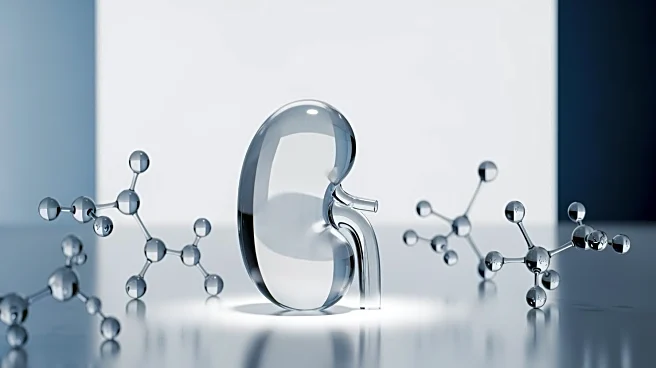
A research team led by Prof. Dr. Christian Hinze at Hannover Medical School has discovered new insights into kidney transplant recovery. The study, published in Nature Communications, reveals that kidney cells develop a 'molecular memory' of rejection
episodes, which can predict long-term transplant success. The research highlights the role of renal tubule cells in responding to T-cell-mediated rejection, showing stress and repair patterns that differ from healthy cells. These findings could lead to improved diagnostic tools and personalized follow-up care for transplant patients.
Why It's Important?
This discovery is significant for the medical community as it offers a potential method to predict the long-term success of kidney transplants. By identifying specific cell states that indicate a higher risk of transplant failure, healthcare providers can tailor follow-up care and interventions more effectively. This could improve patient outcomes and reduce the incidence of transplant failure, which remains a major challenge in nephrology. The research also opens avenues for developing therapeutic strategies to influence these cellular programs, potentially enhancing transplant longevity.
What's Next?
Future studies are needed to explore the therapeutic potential of the newly discovered cellular programs. Researchers aim to determine if these cell states can be modified to improve transplant outcomes. Additionally, the findings may lead to the development of new diagnostic tools that can be used in clinical settings to assess transplant risks more accurately. As the research progresses, it could significantly impact transplant medicine, offering more precise and individualized treatment plans for patients.