






What's Happening?
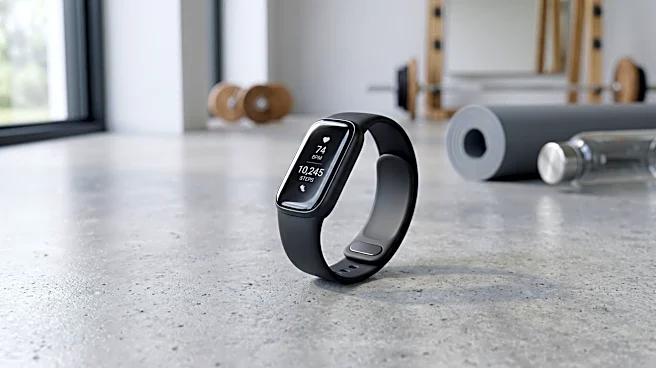
Fitbit has introduced the new Fitbit Edge, a slimmer fitness tracker that emphasizes health tracking over smartwatch functionalities. According to Esquire, the device features a modern, responsive touchscreen interface designed for intuitive navigation.
While it includes some smartwatch capabilities like music control and weather checks, its primary focus remains on health metrics such as heart rate monitoring, step counting, and sleep cycle detection. The Fitbit Edge is noted for its comfortable design, with easy-to-attach magnetic bands. The interface is described as user-friendly, displaying essential information like heart rate, steps, and time by default, and is designed to be accessible for a wide range of users. The device is positioned as a casual fitness tracker for those seeking a distraction-free workout experience.
Why It's Important?
The launch of the Fitbit Edge is significant in the competitive U.S. wearables market, as it represents a strategic move by Google to cater to a segment of users who prioritize dedicated health tracking over the extensive, often distracting, features of a full smartwatch. By focusing on a pared-back, intuitive experience, the Fitbit Edge aims to appeal to consumers who desire simplicity and comfort in their fitness devices. This approach could carve out a distinct niche, potentially attracting users who find smartwatches overwhelming or unnecessary for their fitness goals. The emphasis on a comfortable design and user-friendly interface could also broaden its appeal, making advanced health tracking more accessible to a larger demographic, including those less tech-savvy.
What's Next?
The Fitbit Edge's design philosophy suggests a potential trend in the wearables market towards more specialized devices that excel in core functions rather than attempting to be all-in-one gadgets. Future developments might see further refinement of its health tracking capabilities and integration with Google's broader health ecosystem, while maintaining its minimalist approach. The success of the Fitbit Edge could influence other manufacturers to develop similar focused fitness trackers. However, its limitations, such as the lack of NFC-powered interactions (like digital payments) and restricted message response capabilities for iPhone users, indicate areas where future iterations might need to balance simplicity with essential modern conveniences to remain competitive.
Beyond the Headlines
The Fitbit Edge's deliberate choice to limit smartwatch features raises questions about the evolving relationship between technology and user attention. By reducing notifications and complex interactions, the device implicitly promotes a more mindful approach to fitness, encouraging users to focus on their physical activity rather than digital distractions. This design philosophy could reflect a growing consumer desire for 'digital detox' or more intentional technology use. However, it also highlights the ongoing tension between convenience and focus in personal tech. The device's success will ultimately depend on whether consumers value a distraction-free fitness experience enough to forgo certain smartwatch functionalities that have become commonplace in daily life.