




What's Happening?
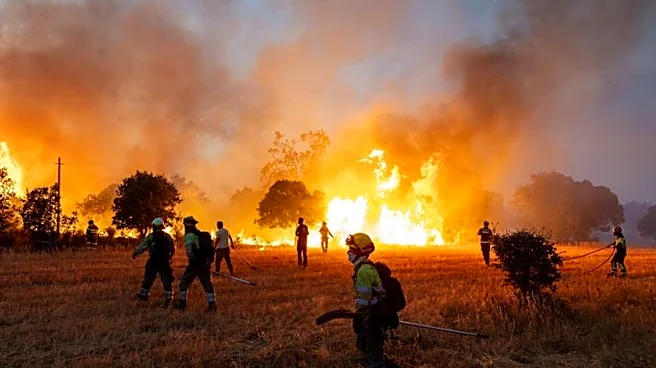
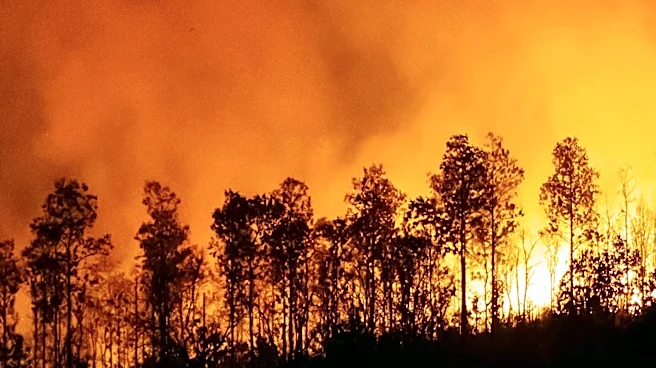
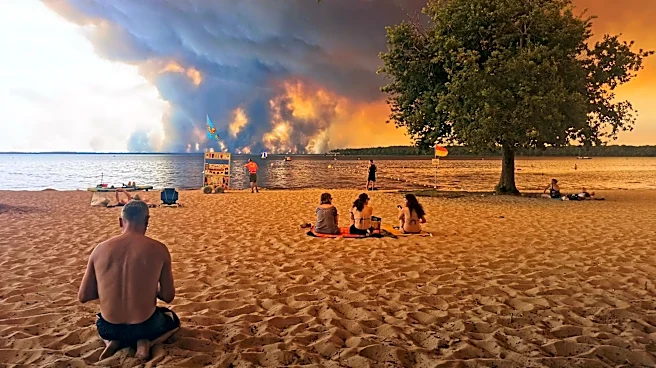
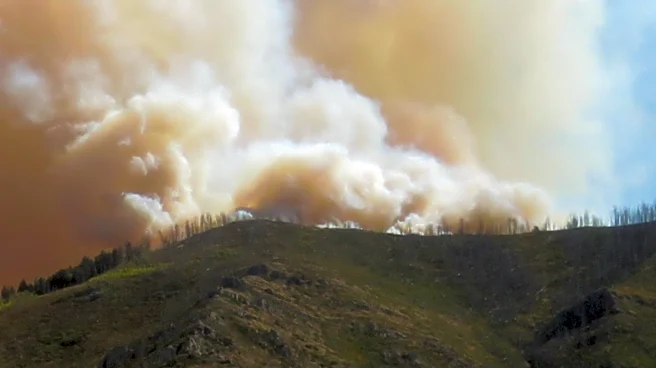
Recent studies have highlighted the significant role of human-induced climate change in exacerbating wildfires in Spain and France. According to research conducted by World Weather Attribution, climate change has made the hot and dry conditions responsible
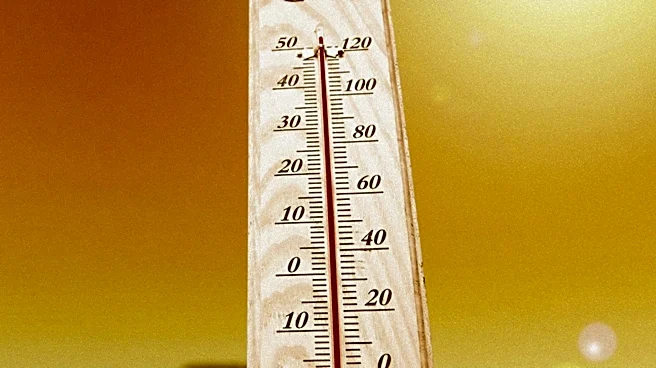
for Spain's record-sized fires 20 times more likely, and doubled the chances of extreme fire conditions in France. The studies indicate that warming over the past 26 years has tripled the odds of severe fire risk conditions in Spain and increased the chances in France by 40%. These findings underscore the impact of climate change on fire-prone weather, with Southern Europe experiencing a marked increase in extreme fire-prone days compared to previous decades.
Why It's Important?
The intensification of wildfires due to climate change poses significant threats to ecosystems, human life, and property. The findings emphasize the urgent need for effective climate policies and fire management strategies to mitigate these risks. As climate change continues to drive extreme weather conditions, the capacity of current fire suppression techniques may be overwhelmed, leading to more frequent and severe wildfires. This situation highlights the broader implications of climate change on public safety, economic stability, and environmental sustainability, necessitating coordinated global efforts to reduce carbon emissions and enhance resilience against climate impacts.
What's Next?
The studies suggest that without significant reductions in fossil fuel consumption, the frequency and intensity of fire-prone weather conditions will continue to escalate. Policymakers and environmental agencies are likely to face increased pressure to implement more robust climate action plans and invest in adaptive measures to protect vulnerable regions. The research also calls for enhanced international collaboration to address the root causes of climate change and develop innovative solutions to manage and mitigate the effects of extreme weather events.