








What's Happening?
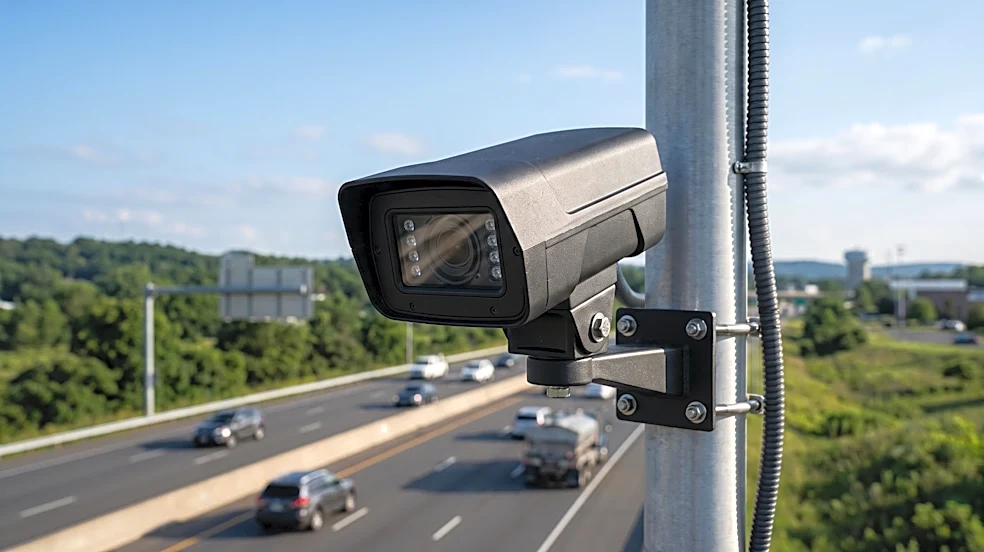
The city of Smyrna, Georgia, located in the metro Atlanta area, has formed an advisory group to examine its use of automated license plate readers, fixed safety cameras, and drones. This initiative aims to balance public safety needs with the protection
of residents' privacy and civil liberties. The task force is mandated to gather input from residents, research practices in other municipalities, and formulate recommendations for city policies, safeguards, and public reporting mechanisms concerning these technologies. The advisory group consists of eight members: seven representing each ward of the city, and one appointed directly by the Smyrna mayor. This move comes as cities increasingly adopt surveillance technologies, prompting discussions around their impact on individual rights and community trust. The group's findings and recommendations are expected to shape future regulations and operational guidelines for these tools within Smyrna.
Why It's Important?
This development in Smyrna, GA, is significant as it reflects a growing national conversation about the deployment of surveillance technologies by local governments. The establishment of an advisory group signals a proactive approach to addressing public concerns regarding privacy and civil liberties, which are often at the forefront of debates surrounding license plate readers and drones. By involving community representatives and conducting a thorough review, Smyrna aims to build trust and ensure that technology use aligns with community values. The outcomes of this group's work could set a precedent for other municipalities grappling with similar issues, influencing how cities across the U.S. manage the integration of advanced surveillance tools. It highlights the tension between enhancing public safety through technology and safeguarding constitutional rights, a balance many communities are striving to achieve.
What's Next?
The advisory group in Smyrna is expected to commence its work by gathering resident input, which will likely involve public forums or surveys to understand community perspectives on surveillance technologies. Concurrently, the group will research how other municipalities manage similar systems, looking for best practices and potential pitfalls. Following this data collection and analysis phase, the task force will develop a set of recommendations for policies, safeguards, and public reporting measures. These recommendations will then be presented to Smyrna city officials for consideration and potential implementation. The city's response to these recommendations will determine the future framework for surveillance technology use, potentially leading to new ordinances or revised operational procedures for law enforcement and city departments. The process is likely to be closely watched by civil liberties advocates and other local governments.
Beyond the Headlines
The formation of Smyrna's advisory group touches upon deeper societal implications concerning the future of privacy in an increasingly surveilled world. As technology advances, the line between public safety and individual privacy becomes more blurred, raising ethical questions about data collection, retention, and potential misuse. This initiative could foster a model for transparent governance, where technological adoption is not just about efficiency but also about accountability and public consent. It also highlights the evolving role of local government in mediating complex technological and ethical challenges. The long-term impact could extend to shaping public perception of government surveillance, potentially influencing legislative efforts at state and federal levels regarding data privacy and civil liberties in the digital age. The group's success could demonstrate that communities can embrace technology while upholding fundamental rights.