
What's Happening?
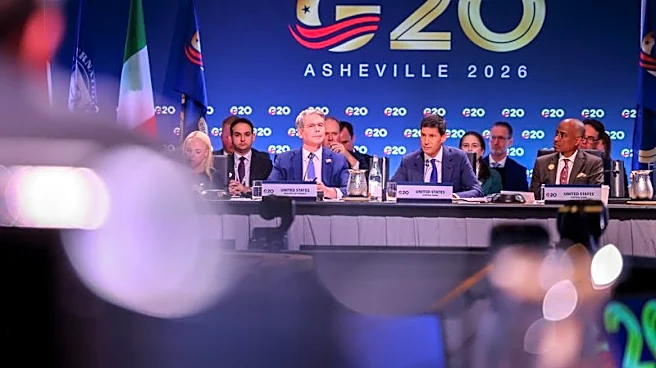
The U.S. Treasury Department has denied press credentials to individual reporters from The New York Times, The Wall Street Journal, and Bloomberg News for the Group of 20 (G20) finance ministers' meeting
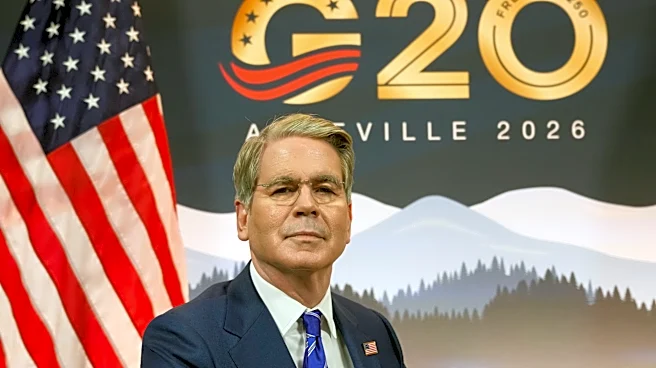
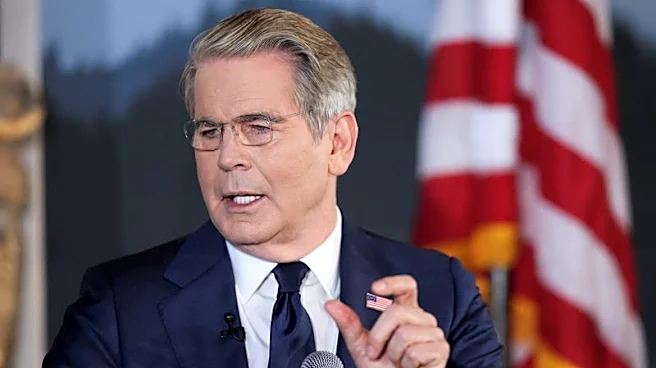
in Asheville, North Carolina. This decision has prevented these major news organizations from covering the gathering of finance ministers, central bank governors, and senior officials from the world's top economies, which runs from Saturday through Tuesday. Treasury Secretary Scott Bessent stated to The Associated Press that the decision "has nothing to do with point of view," but the department has not provided a specific explanation for the denial of access. The New York Times has issued a statement condemning the action, calling it "not just another disturbing effort by the administration to undermine independent journalism, but a blatant attempt to evade public scrutiny." Bloomberg News also criticized the move, asserting it "undermines media freedom and public accountability." This incident follows a pattern of the current administration restricting media access, including previous actions by the Defense Department and disputes over White House press pool access.
Why It's Important?
This restriction on media access to a significant international financial meeting raises serious concerns about press freedom and government transparency in the United States. The G20 meeting addresses critical global economic issues, including the war in Iran, sanctions, bond markets, and inflation, all of which have substantial implications for the global economy and the American public. By excluding prominent news organizations, the Treasury Department limits the public's ability to receive comprehensive and independent reporting on these crucial discussions. This action could set a precedent for future government interactions with the press, potentially eroding the role of independent journalism in holding power accountable. The move is seen by the affected news outlets as an attempt to control the narrative and avoid public scrutiny, which could undermine public trust in both the government and the media.
What's Next?
The G20 finance meeting is scheduled to conclude on Tuesday, and it remains unclear if the Treasury Department will offer further clarification or reverse its decision regarding press access. The affected news organizations, The New York Times and Bloomberg News, have publicly condemned the restrictions, indicating a continued pushback against such limitations. This incident may intensify the ongoing tensions between the current administration and various media outlets, potentially leading to further legal challenges or increased scrutiny from press freedom advocates. The broader implications could include a reevaluation of press credentialing policies for future high-level government events, both domestically and internationally, as media organizations seek to ensure their ability to report freely and independently.
Beyond the Headlines
The Treasury Department's decision to bar specific journalists from the G20 meeting highlights a deeper tension between government control and the principles of a free press. This action is not merely about access to a single event but reflects a broader strategy by the administration to manage information flow and potentially sideline critical reporting. Ethically, it raises questions about the government's commitment to transparency and the public's right to know, especially when discussions involve matters of global economic stability. Legally, while the government has some discretion over credentialing, blanket exclusions of major news organizations without clear justification can be challenged as arbitrary or as an infringement on First Amendment rights. Culturally, such moves can contribute to a climate of distrust between the public, the media, and the government, potentially polarizing public discourse and making it harder for citizens to make informed decisions.