







What's Happening?
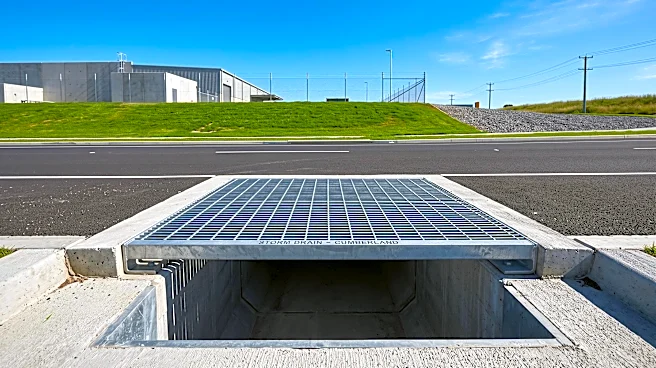
U.S. Representative Gabe Amo participated in a ribbon-cutting ceremony in Cumberland, Rhode Island, marking the completion of the Industrial Road Drainage Project. This initiative addresses years of chronic flooding that has impacted over 30 businesses
in the town's commercial and industrial area, including Okonite. The project involved upgrading obsolete infrastructure and implementing an improved stormwater drainage system designed to manage, reduce, treat, and recapture stormwater more effectively. The flooding had previously caused operational shutdowns and prevented employees from accessing their workplaces. The project received critical funding support, including a $1.2 million federal earmark secured by Rhode Island’s congressional delegation as part of a 2023 funding package. Local officials, including Mayor Jeff Mutter, U.S. Senators Jack Reed and Sheldon Whitehouse, and RI Infrastructure Bank CEO William Fazioli, were also present to celebrate the milestone. The completion of this project is expected to significantly improve road functionality and accessibility in the affected area.
Why It's Important?
The completion of the Industrial Road Drainage Project is significant for the local economy and infrastructure resilience in Cumberland, Rhode Island. Chronic flooding had posed substantial challenges for over 30 businesses, leading to economic disruptions and potential property value depreciation. By modernizing the stormwater management system, the project aims to protect local businesses from future flood-related losses, ensure operational continuity, and safeguard jobs. U.S. Rep. Gabe Amo emphasized that while stormwater infrastructure may not always capture headlines, it deeply impacts companies and represents a 'win-win' for the community. This investment in critical infrastructure also highlights a proactive approach to mitigating the effects of climate change, particularly the increase in heavy downpours, which Senator Whitehouse noted as a major challenge for communities. The project serves as a model for how federal and local collaboration can address long-standing community issues and foster economic stability.
What's Next?
With the Industrial Road Drainage Project now complete, the immediate next step for Cumberland is to monitor the effectiveness of the new system during future heavy rainfall events. Officials are optimistic that the combined efforts of this project and separate state initiatives along I-295 will significantly improve the area's resilience to flooding. The success of this project may encourage similar infrastructure investments in other flood-prone areas across Rhode Island, especially as the state continues to grapple with climate change impacts. RI Infrastructure Bank CEO William Fazioli encouraged residents to vote yes on Question 5 on November 3, which would help fund more such projects statewide, indicating a potential for continued focus on infrastructure development. Local businesses in the Industrial Road area can now anticipate more stable operations and reduced disruptions, fostering a more predictable economic environment.
Beyond the Headlines
Beyond the immediate relief from flooding, this project underscores a broader shift in how communities are addressing infrastructure needs in the face of climate change. The emphasis on stormwater management reflects a growing recognition that climate impacts extend beyond sea-level rise to include increased frequency and intensity of rainfall. The collaborative funding model, involving federal earmarks and state infrastructure banks, highlights the necessity of multi-level government cooperation to tackle complex environmental and economic challenges. Ethically, the project demonstrates a commitment to protecting local businesses and ensuring public safety, particularly for employees who previously faced accessibility issues. This investment also signals a long-term strategy for urban planning that integrates climate resilience, potentially influencing future development and zoning decisions in vulnerable areas. The project's success could serve as a blueprint for other regions facing similar infrastructure deficits and climate-related threats.