








What's Happening?
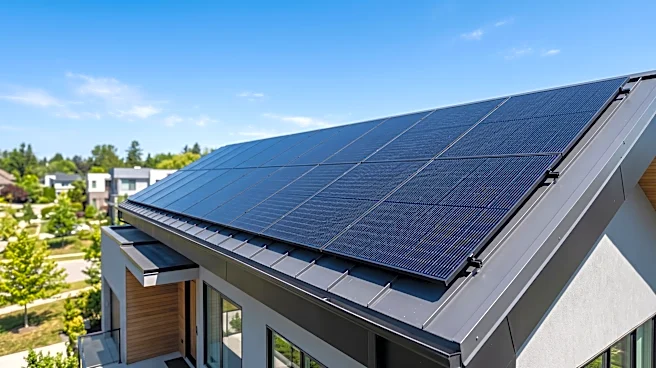
Nevada homeowners can now bypass Homeowners Association (HOA) restrictions to install solar panels on their properties, thanks to the state law NRS 701.220. This legislation aims to promote renewable energy adoption and reduce Nevada's reliance on fossil
fuels. The law specifically prohibits HOAs from restricting solar panel installations and mandates that HOAs approve installations meeting certain criteria. Homeowners must submit a request to their HOA, which then has a set timeframe to approve or deny it. If denied, homeowners can appeal the decision to the Nevada Real Estate Division. Nevada's climate, with an average of 294 sunny days per year, makes it an ideal location for solar energy production, allowing homeowners to reduce utility bills and contribute to a cleaner environment. Additionally, homeowners are eligible for various incentives, including the 30% Federal Tax Credit, which can save up to $4,500 on a typical $15,000 solar system, and a state rebate program.
Why It's Important?
This development is significant for U.S. homeowners, particularly in states with strong HOA presence, as it empowers individuals to invest in renewable energy despite potential community-level opposition. By removing a common barrier to solar adoption, NRS 701.220 could serve as a model for other states looking to accelerate their clean energy transitions. The ability to override HOA restrictions directly impacts the growth of the residential solar market, potentially increasing demand for solar panel installations and related services. This shift benefits solar companies, installers, and manufacturers by expanding their customer base. For homeowners, it means greater energy independence, reduced electricity costs, and increased property value without the impediment of restrictive covenants. The financial incentives, such as the federal tax credit and state rebates, further sweeten the deal, making solar energy more accessible and economically viable for a broader segment of the population.
What's Next?
Following the implementation of NRS 701.220, Nevada is likely to see an increase in residential solar panel installations. Homeowners are expected to leverage the new law and available incentives to transition to solar energy. The Nevada Real Estate Division may experience an uptick in appeals from homeowners whose solar installation requests are initially denied by HOAs, necessitating clear guidelines and efficient processing for such cases. Other states might observe Nevada's success and consider similar legislative actions to remove barriers to renewable energy adoption, potentially leading to a broader national trend. Solar energy providers and installers in Nevada will need to be well-versed in the specifics of NRS 701.220 to guide homeowners through the process effectively. Furthermore, the continued availability of federal and state incentives will play a crucial role in sustaining the momentum of solar adoption.
Beyond the Headlines
The Nevada law highlights a growing tension between individual property rights and community governance, particularly concerning sustainable practices. While HOAs often aim to maintain aesthetic standards and property values, laws like NRS 701.220 reflect a societal shift towards prioritizing environmental sustainability and energy independence. This legislative move could spark broader discussions about the extent of HOA authority versus public interest in renewable energy. It also underscores the evolving legal landscape surrounding clean energy technologies, where policy is increasingly designed to overcome traditional obstacles. The long-term implications include not only a greener energy grid but also a potential redefinition of community living, where sustainable choices are protected and encouraged by law, fostering a more environmentally conscious citizenry and potentially influencing architectural and urban planning standards to better accommodate renewable energy solutions.