
What's Happening?
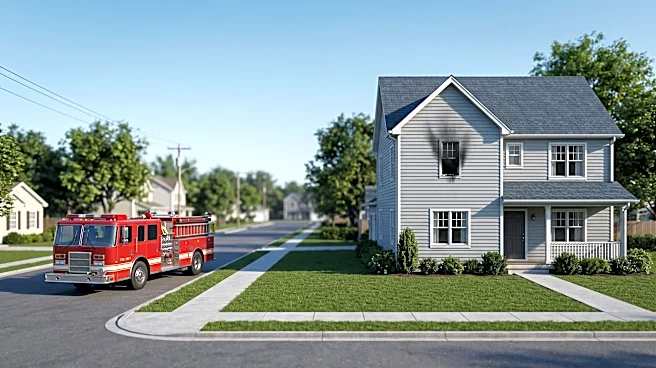
On Saturday morning, the Durham Fire Department responded to a house fire on the 300 block of Spring Street in Durham, North Carolina. A neighbor reported the fire around 9:30 a.m. Firefighters quickly
located a small fire inside a closet within the residence and were able to extinguish it rapidly. No occupants were inside the home at the time of the incident. According to the fire chief, the damage to the property is considered moderate and was primarily contained to the closet and its immediate surrounding areas. Approximately 38 Durham firefighters were dispatched to the scene. The Battalion Chief initially requested additional units upon arrival due to the significant presence of smoke observed. The cause of the fire is currently under investigation by authorities.
Why It's Important?
This incident highlights the critical role of local emergency services in ensuring public safety and mitigating property damage within communities. The swift response by the Durham Fire Department prevented the fire from escalating, which could have resulted in more extensive structural damage or potential hazards to neighboring properties. Such events underscore the importance of community vigilance, as the fire was reported by a neighbor, enabling a timely intervention. For residents, it serves as a reminder of the potential risks of household fires and the necessity of having operational smoke detectors and emergency plans. The ongoing investigation into the fire's cause is crucial for identifying any preventable factors and informing future fire safety initiatives, contributing to the overall resilience and safety of the Durham community.
What's Next?
The immediate next step involves the ongoing investigation by the Durham Fire Department to determine the precise cause of the fire. This investigation will aim to identify any potential electrical issues, accidental ignition sources, or other factors that may have contributed to the incident. Depending on the findings, the department may issue public safety advisories or recommendations to prevent similar occurrences in the future. For the homeowners, the next phase will involve assessing the full extent of the damage, coordinating with insurance providers, and beginning the process of repairs and restoration to the affected areas of the house. The community may also see increased awareness campaigns regarding fire safety, especially if the investigation reveals common preventable causes.
Beyond the Headlines
Beyond the immediate response, this incident subtly underscores broader themes of urban living and community interdependence. The fact that a neighbor reported the fire highlights the informal networks of safety and vigilance that exist within residential areas. In densely populated urban environments like Durham, early detection of emergencies by neighbors can be crucial in preventing widespread damage or injury. Furthermore, the deployment of 38 firefighters for a relatively contained incident reflects the standard operational readiness and resource allocation required for even small-scale emergencies, emphasizing the significant public investment in maintaining robust emergency services. This event, while minor in its outcome, serves as a micro-example of how local government services and community awareness collectively contribute to urban resilience and safety.