





What's Happening?
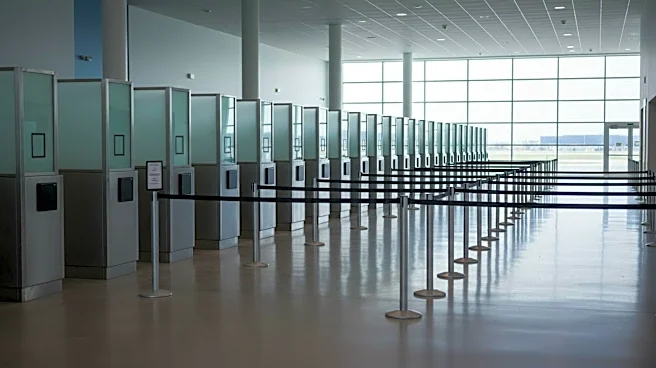
A 20-year-old British student, Laith Alani, claims he was denied entry into the United States at Orlando International Airport due to his Muslim faith, despite possessing a valid 10-year multi-entry B1/B2 tourist visa. Alani reported being detained by
Customs and Border Protection (CBP) for nine hours of interrogation, followed by 14 hours in a holding cell, before being sent back to the UK. He described the experience as feeling 'kidnapped.' While Alani attributes his denial to religious profiling, CBP stated that he was deemed inadmissible due to 'inconsistencies in his travel history' and an inability to 'overcome the presumption he was an intending immigrant.' Alani had planned a one-week visit to Florida's theme parks and to meet a relative in California. He had previously been refused a fast-track Esta visa waiver after disclosing travel to Iraq, where he has relatives, but was subsequently granted the B1/B2 visa. During his inspection, Alani's travel history, including a trip to Tunisia, was scrutinized, and he was asked about his relatives, neighbors, and hobbies. He also stated that he was given a document to sign, which he later learned indicated he had voluntarily withdrawn his application to enter, a decision he claims he would not have made if he had understood it, citing his autism and legal disability.
Why It's Important?
This incident highlights ongoing concerns regarding U.S. border entry policies and potential issues of discrimination, particularly for individuals from certain religious or ethnic backgrounds. Allegations of religious profiling by a U.S. government agency can damage the nation's international reputation and raise questions about the fairness and transparency of its immigration and border control procedures. For individuals with valid visas, such experiences can lead to significant emotional distress, financial loss, and a deterrent effect on future travel to the U.S. The case also brings to light the challenges faced by individuals with disabilities, such as autism, when navigating complex and high-stress situations like border interrogations, potentially impacting their ability to understand and assert their rights. If such claims of profiling are substantiated, it could prompt calls for greater oversight and reform within CBP to ensure equitable treatment for all travelers, regardless of their background. The incident could also influence how other countries perceive the U.S. as a travel destination, potentially affecting tourism and international relations.
What's Next?
Laith Alani's experience may lead to further scrutiny of CBP's practices and potentially trigger investigations by civil liberties organizations or government oversight bodies. Alani may pursue legal avenues to challenge the denial of entry and the circumstances of his detention. The incident could also prompt public discourse and advocacy efforts aimed at reforming U.S. border policies to prevent alleged religious or ethnic profiling. CBP may face pressure to provide more detailed explanations for its decisions and to review its training protocols for officers, particularly concerning interactions with individuals with disabilities. Depending on the outcome of any potential investigations or public outcry, there could be calls for legislative changes to clarify and strengthen protections against discrimination at U.S. ports of entry. The case might also encourage other travelers who believe they have experienced similar treatment to come forward, potentially leading to a broader examination of CBP's conduct.
Beyond the Headlines
This incident touches upon deeper societal issues concerning national security versus individual rights and the perception of certain groups in the context of global travel. The allegation of religious profiling, even if denied by CBP, contributes to a narrative that can foster distrust and alienation among Muslim communities both domestically and internationally. It also underscores the power imbalance inherent in border control situations, where individuals can feel vulnerable and without recourse, especially when facing lengthy interrogations and detention. The case highlights the ethical responsibility of government agencies to ensure that security measures are implemented without infringing upon fundamental human rights or perpetuating discriminatory practices. Furthermore, the mention of Alani's autism brings to the forefront the need for specialized training for law enforcement and border officials to effectively and empathetically interact with individuals with diverse needs, ensuring their rights are protected and their vulnerabilities are not exploited during official procedures. This event could serve as a catalyst for broader discussions on how to balance national security imperatives with the principles of fairness, dignity, and non-discrimination at U.S. borders.