



What's Happening?
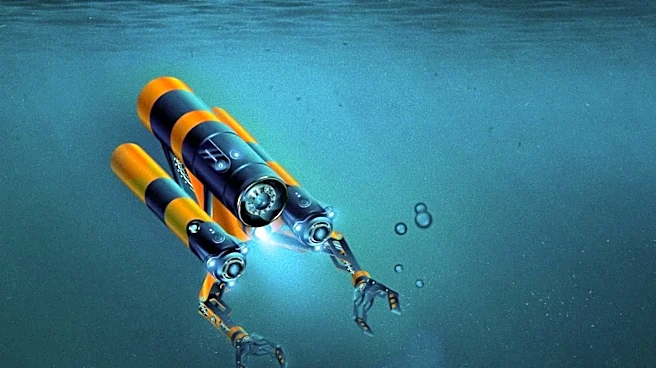
The Department of Energy is collaborating with Zeno Power to develop seabed batteries that can charge drone submarines. These batteries utilize strontium-90 generators, which have been in storage for decades. The initiative, part of the DEPTHS program,
aims to create decentralized energy nodes on the ocean floor, providing long-term power for seafloor sensors and autonomous underwater vehicles. The project is funded by a $7.5 million contract from the Department of Defense, with contributions from various partners, including Blue Origin and Sunpower. The technology promises to offer a sustainable power source for maritime operations, reducing the need for support ships and cables.
Why It's Important?
This development is significant for U.S. maritime strategy, as it enhances the country's ability to maintain a presence in strategic oceanic regions without the logistical challenges of traditional power sources. The use of strontium-90, a byproduct of nuclear fission, also represents an innovative approach to managing nuclear waste. By repurposing this material, the project not only addresses energy needs but also contributes to environmental management. The success of this initiative could lead to advancements in underwater exploration and defense capabilities, providing the U.S. with a technological edge in maritime operations.
What's Next?
Zeno Power plans to demonstrate full-scale nuclear batteries by 2026, with deliveries to government customers expected in 2027. The project will continue to develop and test the technology, with a focus on improving the efficiency and safety of the seabed batteries. Regulatory approvals and further testing will be crucial to the project's progress. The initiative's success could pave the way for broader applications of this technology in other sectors, such as renewable energy and environmental monitoring.