





What's Happening?
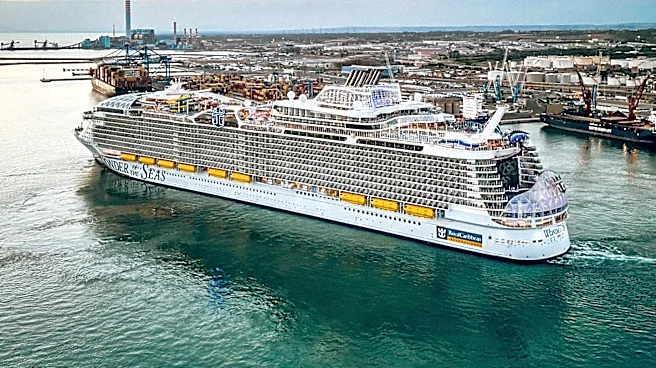
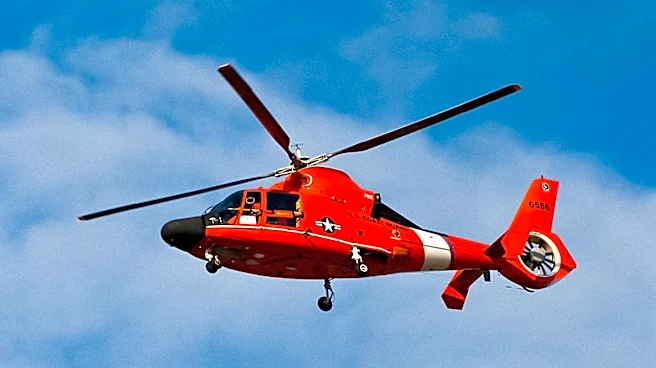
The US Coast Guard (USCG) has suspended its search for a 72-year-old British woman who went missing from Tui's Marella Voyager cruise ship in the Atlantic Ocean. The woman was last seen on Monday while the ship was en route to the Caribbean. Staff discovered
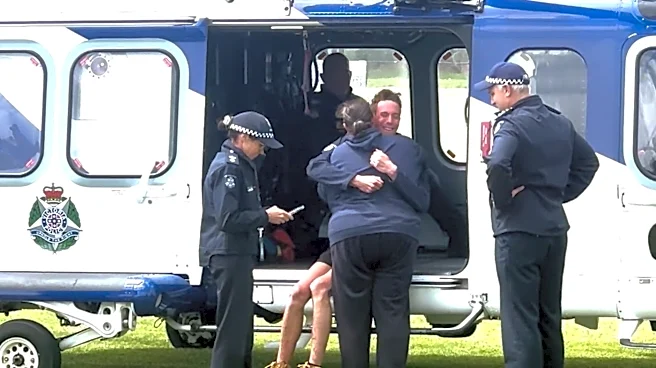
her missing on Tuesday when her bed was found untouched. The USCG received a missing report when the ship was approximately 500 nautical miles from the area where she was believed to have entered the water. The coordinated international search and rescue effort was called off on Wednesday due to factors including the low likelihood of survival. The woman is thought to have gone overboard in a remote area of the North Atlantic, roughly 1,400 nautical miles from Bermuda. Tui stated that an alarm was raised and a search was conducted after staff realized she was missing. Separately, a Royal Caribbean employee, a cruise ship pianist, was rescued after being in the Pacific Ocean for nine hours near Catalina Island.
Why It's Important?
This incident underscores the inherent risks associated with maritime travel, even on large cruise ships, and highlights the challenges of search and rescue operations in vast oceanic environments. The decision by the USCG to suspend the search, based on the low likelihood of survival, reflects the harsh realities of such situations and the extensive resources required for prolonged searches. For the cruise industry, such disappearances can raise concerns about passenger safety protocols and monitoring systems, potentially leading to increased scrutiny from regulatory bodies and the public. While the missing woman is a British national, the involvement of the USCG and the international nature of cruise travel make this a relevant event for U.S. maritime safety discussions. The separate rescue of a Royal Caribbean employee also emphasizes the dangers faced by both passengers and crew at sea.
What's Next?
The USCG has concluded its active search for the missing British woman. The Marella Voyager is continuing its voyage, scheduled to arrive in Antigua on Friday before proceeding to Dominica and Barbados. Tui and the UK Foreign Office have stated they are supporting the family of the missing national and are in contact with relevant authorities. While the search has been suspended, investigations into the circumstances of her disappearance may continue. This incident could prompt internal reviews by Tui and other cruise lines regarding their safety procedures, particularly concerning passenger monitoring and emergency response protocols for overboard incidents in remote areas. The focus will likely shift to supporting the family and understanding the events leading to the disappearance.
Beyond the Headlines
The tragic disappearance of a passenger at sea often brings to light the complex legal and ethical considerations surrounding maritime incidents. Unlike land-based disappearances, the vastness of the ocean and the rapid movement of vessels make recovery and investigation incredibly challenging. This event highlights the limitations of current surveillance and safety technologies on cruise ships, particularly in identifying and responding to overboard incidents in real-time. It also raises questions about the psychological impact on fellow passengers and crew when such events occur, as evidenced by reports of emergency headcounts. The incident serves as a somber reminder of the inherent vulnerabilities in even the most controlled travel environments and the profound human element in maritime safety, extending beyond just the immediate search and rescue efforts to long-term support for affected families.