

What's Happening?
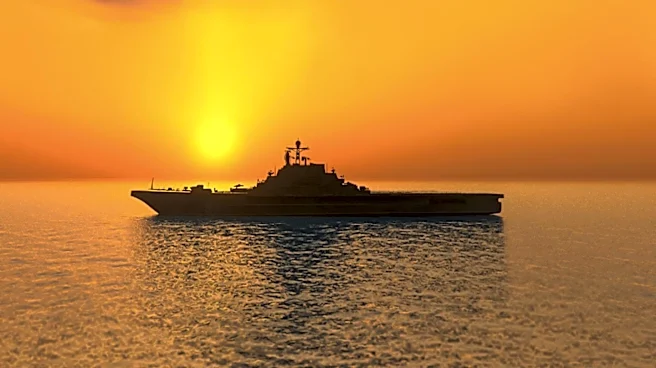
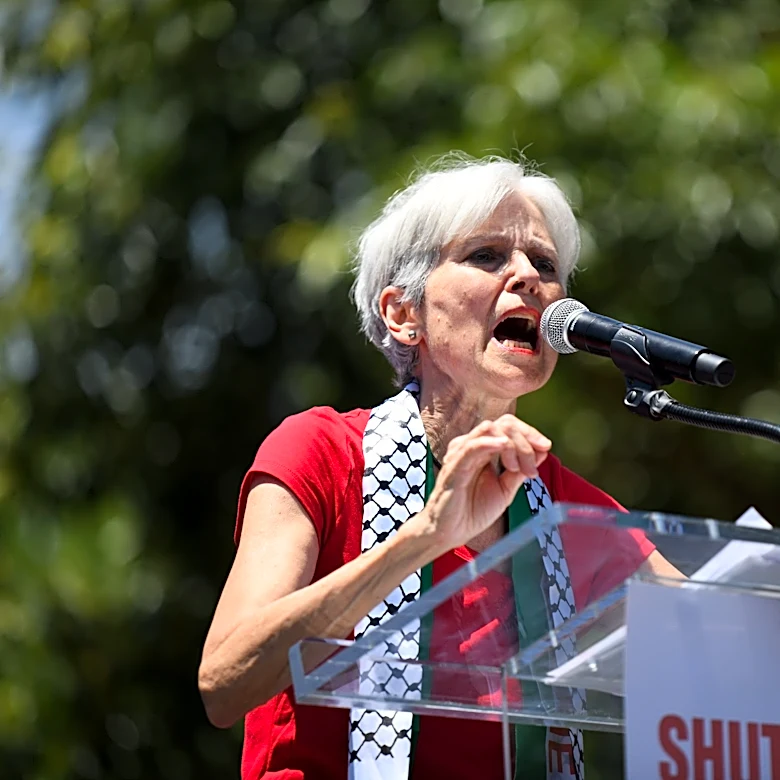
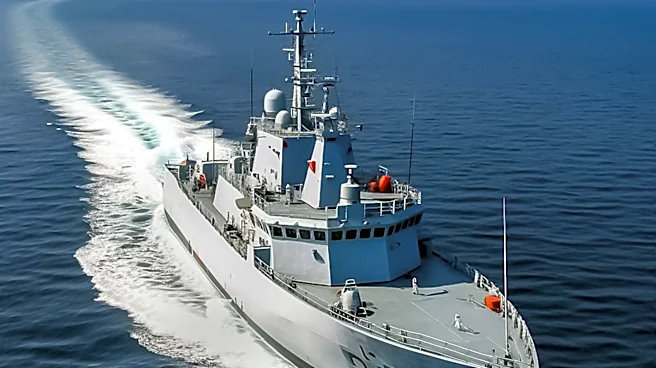
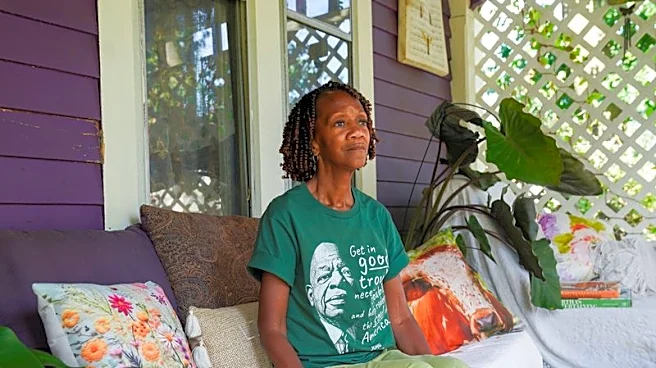
A 'military grandma' has publicly criticized President Trump regarding the alleged mistreatment of sailors aboard the USS Lincoln. This criticism comes amidst reports of poor conditions on the U.S. ship, which President Trump has denied. The individual's
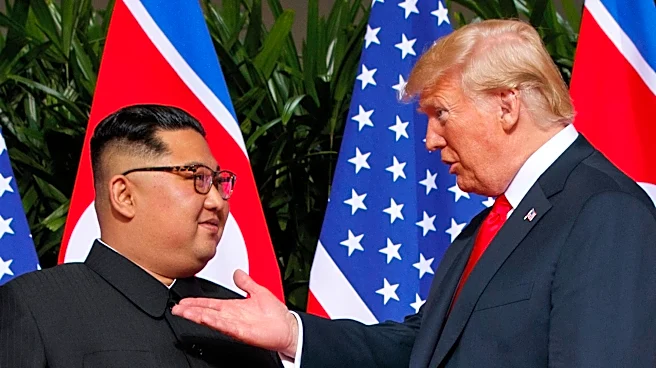
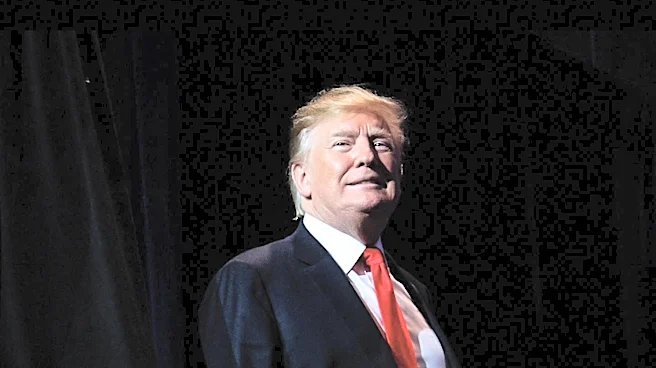
comments, highlighted on 'Morning Joe' and 'Deadline: White House,' suggest a strong disapproval of the administration's handling of military personnel welfare. The broader context includes various criticisms leveled against President Trump, such as accusations of siding with North Korean dictators and alleged corruption scandals. The specific incident concerning the USS Lincoln sailors adds to a pattern of public discourse questioning the President's actions and their impact on different segments of the U.S. population, particularly those with ties to the military.
Why It's Important?
This criticism is important as it reflects a segment of public opinion, particularly from individuals with personal connections to the military, regarding the treatment of service members. The welfare of military personnel is a significant concern for many Americans, and allegations of mistreatment can erode public trust in leadership and military institutions. Such public outcry can also influence political discourse, potentially impacting future policy decisions related to military funding, personnel support, and overall defense strategies. For President Trump, these criticisms, especially from a 'military grandma,' could resonate with a demographic that often holds strong patriotic and pro-military sentiments, potentially affecting his public image and support base. The incident underscores the ongoing scrutiny of the administration's approach to military affairs and its broader implications for national morale and readiness.
What's Next?
The immediate aftermath could see further public discussion and media coverage of the USS Lincoln incident and the broader issue of military welfare. President Trump's administration may face continued pressure to address these concerns, potentially leading to official statements or investigations into the conditions on the ship. Political opponents are likely to leverage such criticisms to highlight perceived shortcomings in the administration's policies. Depending on the public and political response, there could be calls for increased oversight of military living conditions and support systems. The 'military grandma's' comments might also inspire other individuals with military ties to voice their opinions, further shaping the national conversation around military service and leadership.
Beyond the Headlines
Beyond the immediate political implications, this event touches upon deeper societal values concerning respect for military service and the well-being of those who serve. The image of a 'military grandma' criticizing the President evokes a sense of moral authority and concern for the younger generation in uniform. This narrative can highlight a potential disconnect between political leadership and the lived experiences of military families. It also underscores the power of individual voices, particularly those from respected community segments, in shaping public opinion and holding leaders accountable. The incident could contribute to a broader re-evaluation of how military personnel are supported, both materially and emotionally, and the ethical responsibilities of commanders-in-chief towards their troops.