







What's Happening?
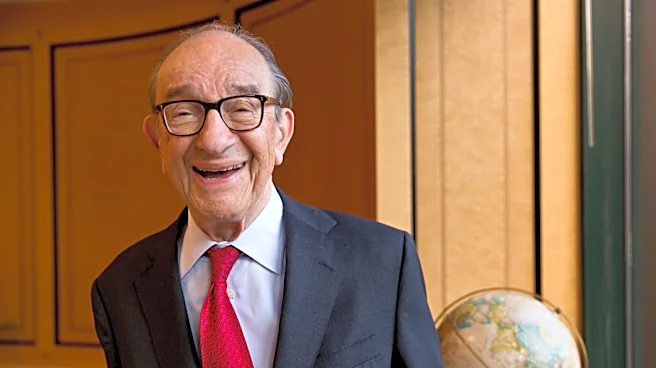
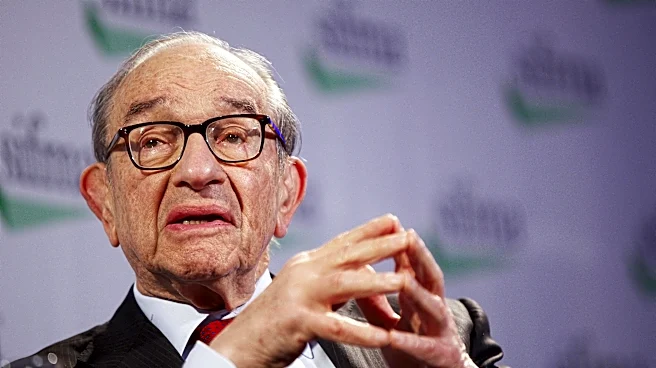
Alan Greenspan, the influential former chairman of the Federal Reserve, has died at the age of 100. Greenspan, who led the Fed from 1987 to 2006, was a central figure in U.S. economic policy, overseeing periods of significant growth and stability. However,
his legacy is complicated by the 2008 financial crisis, which critics attribute in part to his policies of low interest rates and deregulation. Despite these controversies, Greenspan was widely respected for his economic acumen and received numerous accolades, including an honorary knighthood and the Presidential Medal of Freedom.
Why It's Important?
Greenspan's death marks the end of a significant chapter in U.S. economic history. His policies and leadership style have had a lasting impact on the Federal Reserve and the broader financial system. The debates surrounding his legacy highlight the ongoing tension between fostering economic growth and ensuring financial stability. As policymakers continue to grapple with these issues, Greenspan's tenure serves as both a model and a warning for future economic strategies.
What's Next?
In the wake of Greenspan's passing, there may be increased scrutiny of his policies and their long-term effects on the economy. Economists and policymakers might revisit the lessons from his era, particularly in terms of regulatory oversight and interest rate management. This reflection could influence future economic policies and regulatory frameworks, as stakeholders seek to prevent a repeat of past financial crises.
Beyond the Headlines
Greenspan's influence extended beyond economic policy into cultural and philosophical realms. His association with Ayn Rand and the Objectivist philosophy underscores a broader ideological debate about the role of government in regulating markets. This debate continues to resonate in contemporary economic policy discussions, reflecting broader societal values about freedom, regulation, and economic justice.