






What's Happening?
Historian James Holland's new book, 'The Visionaries,' provides an overview of the pivotal moments in world history that shaped the post-World War II order, focusing on the 'age of US benevolence.' Holland's work describes the path to this era, including
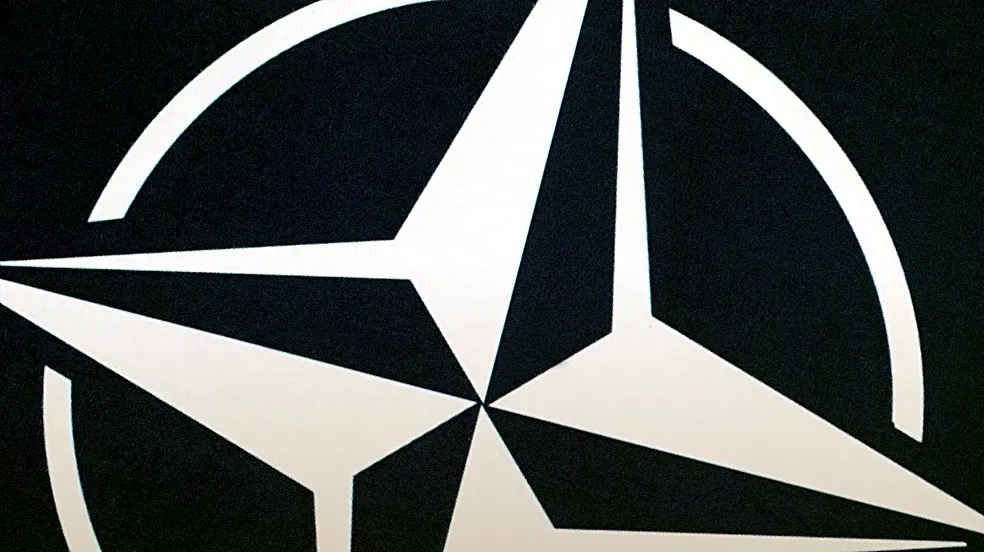
the botched peace after World War I and the subsequent second global conflict. He highlights the establishment of institutions like the IMF and the initial phase of the World Bank, as well as the Marshall Plan, as examples of this benevolent period. The book emphasizes the role of President Harry Truman in managing the divide with the Soviet Union, reinforcing the nascent world order through economic recovery, shared awareness of the Communist threat, American generosity, and U.S. military might, which led to the founding of NATO in 1949. Holland expresses concern that this benevolent America is now leaving the stage, and that the West is insufficiently concerned about the consequences. He argues that mass complacency, similar to that before World War I, could lead to serious trouble ahead, and that the West has become 'dulled… to the essential fragility of democracy—and of peace.' He notes that while defense spending dropped after the Soviet Union's collapse, Europeans significantly reduced their guard compared to the United States, relying on an illusory rules-based order and American backing. Holland suggests that leaders must relearn lessons from World War II and the preceding decade to navigate the current dangerous times, particularly the importance of like-minded democracies sticking together and being wary of aggressive tariffs.
Why It's Important?
Holland's analysis is crucial for understanding the historical foundations of the current global order and the challenges it faces. His concern about the U.S. potentially retreating from its benevolent role and the West's complacency highlights a significant shift in international relations. The historical context provided, particularly the lessons from the interwar period and the post-WWII reconstruction, offers valuable insights into the potential consequences of current geopolitical trends. The comparison between European and U.S. defense spending post-Cold War underscores a divergence in strategic priorities that has contributed to present vulnerabilities. The emphasis on the 'essential fragility of democracy and peace' serves as a stark warning about the need for vigilance and proactive engagement in maintaining global stability. For the U.S., Holland's work implicitly calls for a re-evaluation of its foreign policy, urging a return to the principles of alliance-building and international cooperation that characterized the post-WWII era. The implications extend to economic policy, as the book touches upon the legacy of freer global trading regimes and the challenges posed by China's grip on supply chains, a direct consequence of past economic decisions. This historical perspective is vital for policymakers and the public to grasp the long-term ramifications of current decisions on international security, economic stability, and democratic values.
What's Next?
Holland's work suggests that the immediate future will require Western leaders to actively relearn and apply lessons from the past. This implies a potential shift towards strengthening alliances, particularly within NATO, and a renewed commitment to collective security. The call to be wary of aggressive tariffs indicates a need for more cooperative trade policies to avoid the economic turmoil that contributed to past conflicts. The ongoing geopolitical tensions, particularly with China and Russia, will likely necessitate increased defense spending and a focus on securing critical supply chains, especially for components and raw materials. The book's implicit warning about the 'essential fragility of democracy' suggests that efforts to bolster democratic institutions and counter illiberal tendencies will be paramount. For the U.S., this could mean a reassertion of its leadership role in promoting democratic values and international cooperation, moving away from isolationist or purely transactional approaches. The debate over the future of the global order will continue, with Holland's historical perspective serving as a guide for navigating the complexities of a world grappling with the rise of new powers and the erosion of established norms. The effectiveness of leaders in rediscovering the importance of like-minded democracies working together will be a key determinant of future global stability.
Beyond the Headlines
Holland's 'The Visionaries' delves into the deeper philosophical and ethical underpinnings of international relations. The concept of 'mass complacency' as a precursor to conflict raises profound questions about societal awareness and the responsibility of citizens and leaders to recognize and address emerging threats. The book implicitly critiques the teleological faith in 'progress' that led many Europeans to neglect their defense, highlighting the dangers of historical determinism and the need for constant vigilance. The discussion of the 'age of US benevolence' prompts reflection on the moral dimensions of superpower status and the ethical obligations that come with global leadership. Furthermore, the book touches upon the complex interplay between economic policy and geopolitical stability, demonstrating how decisions regarding trade and investment can have far-reaching consequences for international security. The challenge to democracy today, as Holland notes, is multifaceted, encompassing both populism and 'increasingly illiberal liberalism,' suggesting a need for introspection within democratic societies themselves. This broader examination of historical patterns and their contemporary relevance encourages a deeper understanding of the forces shaping our world, moving beyond immediate news cycles to consider the long-term shifts in values, power, and governance.