


What's Happening?
Recent developments in Washington are providing renewed hope for the agriculture sector, as Congress takes steps to advance a new farm bill. The updated legislative text has been released, and lawmakers are preparing further action to modernize the farm safety
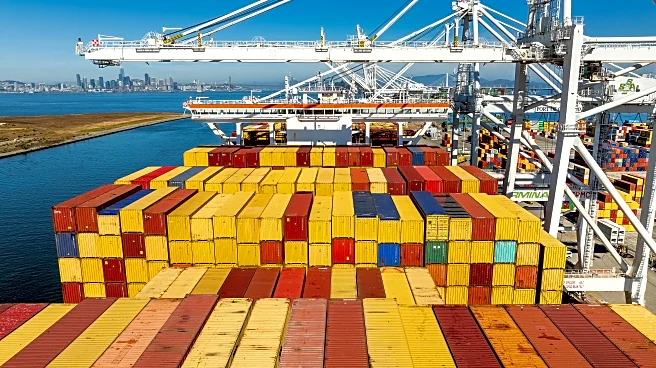
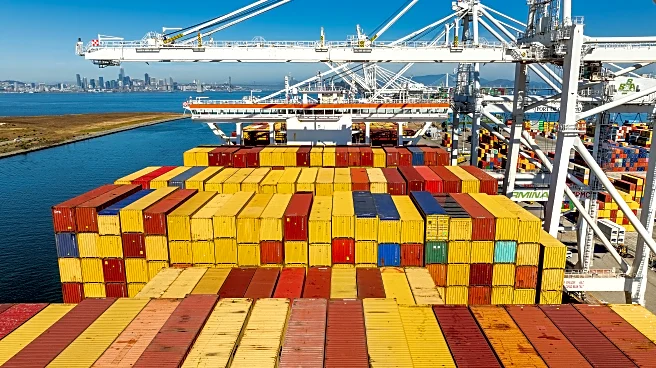
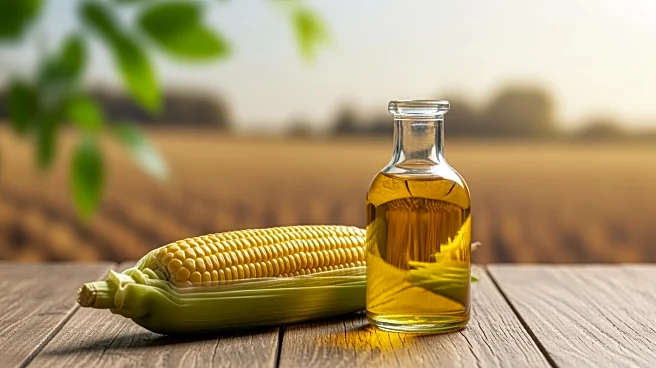
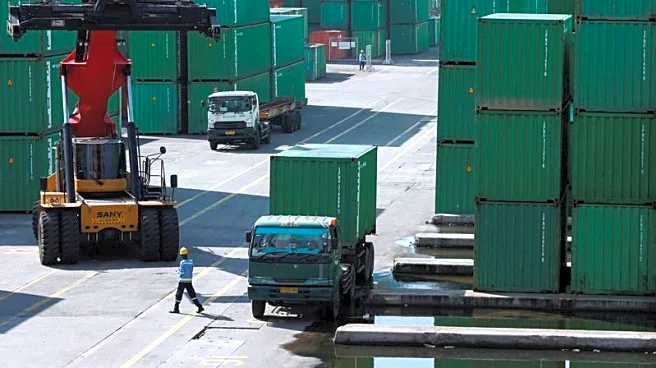
net. This comes in response to challenges faced by farmers and ranchers, including rising costs, economic pressure, and uncertainty around federal policies. The new farm bill aims to update conservation, credit, research, and rural development programs, which are crucial given the impacts of the pandemic, inflation, high interest rates, and supply chain disruptions since the last farm bill in 2018. Additionally, trade agreements with countries like Argentina, El Salvador, Guatemala, Taiwan, and a framework deal with India are set to expand export opportunities and reduce trade barriers for American agriculture. The U.S.-Mexico-Canada Agreement is also under review to address outstanding concerns, including dairy access. Furthermore, progress is being made toward year-round E15 fuel sales, with the formation of the E15 Rural Domestic Energy Council to support related legislation.
Why It's Important?
The advancement of the farm bill and E15 legislation is significant for the U.S. agriculture sector, which has been under pressure from various economic challenges. A comprehensive farm bill would provide stability and certainty, helping farmers plan and invest in their operations. The trade agreements are expected to open new markets and enhance export opportunities, which are vital for the economic health of the agriculture industry. The review of the U.S.-Mexico-Canada Agreement is crucial for maintaining strong North American supply chains and addressing specific trade issues. The push for year-round E15 sales could boost demand for American crops, offering more fuel options for consumers and enhancing energy security. These legislative efforts reflect the importance of continued engagement from farmers and agricultural organizations to ensure that policy solutions are effective and sustainable.
What's Next?
As Congress moves forward with the farm bill, further legislative actions are anticipated to finalize and implement the proposed updates. Stakeholders in the agriculture sector will likely continue to advocate for their interests to ensure that the bill addresses their needs comprehensively. The trade agreements will require ongoing negotiations to resolve any remaining issues, particularly concerning dairy access in the U.S.-Mexico-Canada Agreement. The E15 legislation will also need to pass through the legislative process, with potential debates on its environmental and economic impacts. The outcomes of these legislative efforts will be closely watched by farmers, industry groups, and policymakers, as they have the potential to shape the future of U.S. agriculture.