



What's Happening?
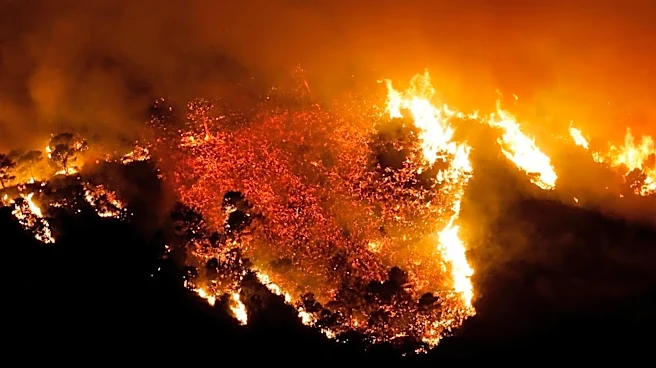
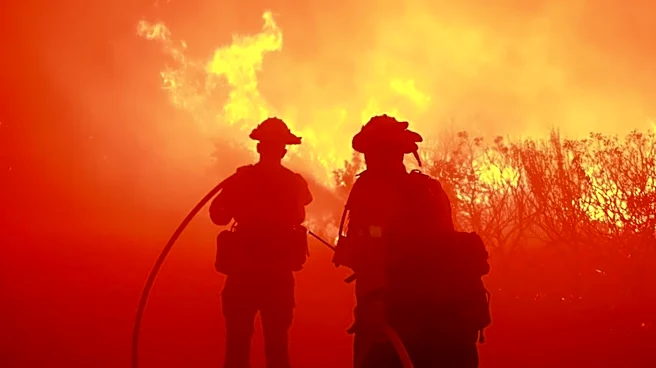
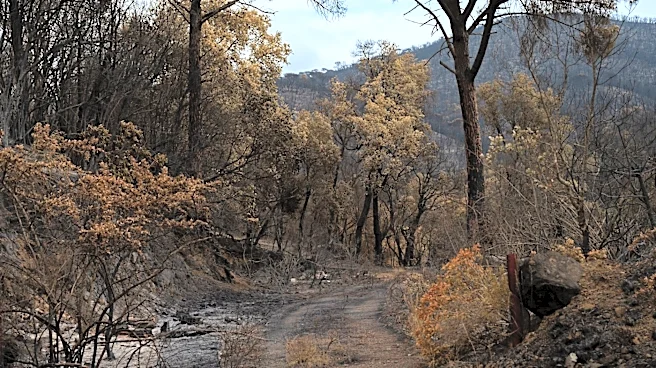
The Deep Creek Fire, located approximately 25 miles northeast of Lowell in the Fall Creek area of the Willamette National Forest, has grown to an estimated 60 acres. Firefighters are actively engaged in full suppression efforts against the blaze, which
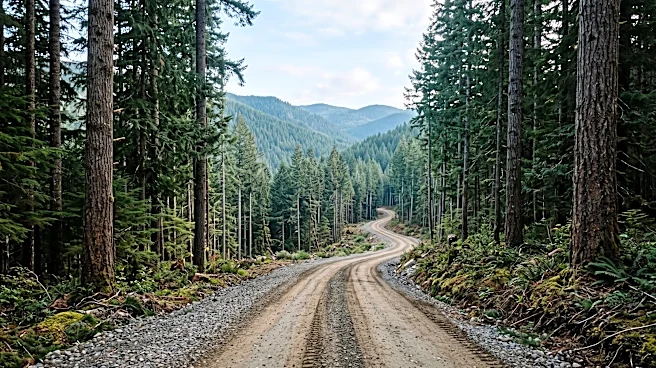
is burning in standing and downed snags on steep slopes. The U.S. Forest Service anticipates active fire behavior due to these challenging conditions. Air attack and helicopters are expected to assist in cooling the advancing fire front once cloud cover dissipates. Unstable and windy weather conditions are forecasted ahead of a cold front, which is predicted to bring widespread precipitation. Ground crews and engines are employing direct suppression tactics where feasible, while also scouting and preparing indirect control lines. Officials are developing a road closure for Forest Service Road 18 from Road 1834 to Road 1844, including the entire Road 1839 system, and are urging the public to avoid the area for safety reasons.
Why It's Important?
The Deep Creek Fire's expansion to 60 acres poses a significant threat to the natural environment and potentially to nearby communities in the Willamette National Forest. Wildfires of this scale can lead to extensive ecological damage, including habitat destruction and long-term impacts on forest health. The ongoing suppression efforts require substantial resources, including personnel and equipment, which can strain federal and local budgets. The anticipated road closures will disrupt access to recreational areas and potentially impact local economies reliant on tourism and outdoor activities. Furthermore, the visible smoke in surrounding communities raises concerns about air quality, which can have adverse health effects on residents. The challenging terrain and weather conditions highlight the inherent dangers faced by firefighters and underscore the importance of effective wildfire management strategies to protect both natural resources and human populations.
What's Next?
Firefighters will continue their full suppression efforts, adapting their strategies to the evolving weather conditions, including the expected unstable winds and upcoming precipitation. Air support will be crucial once visibility improves. The planned road closures will be implemented to ensure the safety of both the public and emergency personnel. Residents in and around Lowell should monitor air quality updates from AirNow.gov and be prepared for continued smoke visibility. The U.S. Forest Service will likely provide ongoing updates on the fire's containment and any further developments. The long-term recovery of the affected forest areas will require assessment and potential restoration efforts once the fire is fully contained and extinguished, addressing ecological impacts and preventing future fire risks.
Beyond the Headlines
The Deep Creek Fire underscores the increasing challenges posed by wildfires in the U.S., particularly in forested regions. The mention of the fire burning within the footprint of the Gales Fire suggests a pattern of recurring blazes in the area, which could indicate underlying environmental factors such as drought conditions, fuel accumulation, or climate change impacts. The use of both direct suppression tactics and the preparation of indirect control lines reflects a comprehensive approach to wildfire management, balancing immediate containment with strategic long-term control. The call for public avoidance of the area highlights the critical role of community cooperation in ensuring the safety of emergency responders and preventing further complications. This incident serves as a reminder of the continuous need for robust wildfire prevention, preparedness, and response mechanisms to protect both natural ecosystems and human settlements from the growing threat of large-scale fires.