






What's Happening?
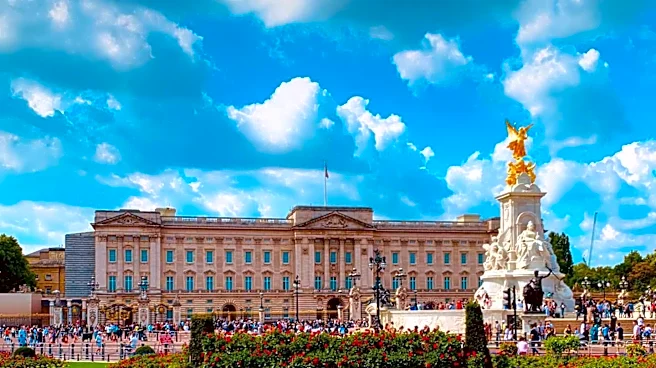
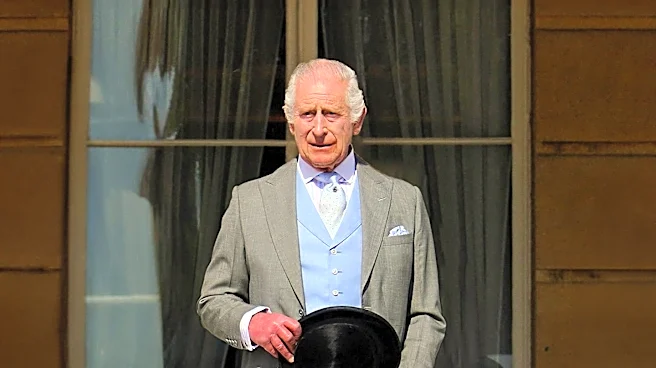
King Charles recently hosted Grand Duke Guillaume of Luxembourg at Buckingham Palace, followed by a tea reception. Grand Duke Guillaume, 45, became the ruler of Luxembourg in October 2025 after his father, Grand Duke Henri, abdicated. This meeting marks
one of the Grand Duke's high-profile engagements since taking the throne. The two leaders appeared to be on good terms, engaging in conversation in front of cameras. The visit highlights the long-standing ties between the Luxembourg royals and the British House of Windsor, with Guillaume's grandfather, Grand Duke Jean, having spent time in England during World War Two and being a friend of Queen Elizabeth II and Prince Philip.
Why It's Important?
This meeting between King Charles and Grand Duke Guillaume is significant for reinforcing diplomatic relations and historical alliances between the United Kingdom and Luxembourg. Such royal engagements often serve as symbolic gestures of goodwill and cooperation, contributing to the stability of international relationships. For the UK, maintaining strong ties with European nations, even post-Brexit, is crucial for economic and political stability. The continuity of these relationships, passed down through generations of royal families, underscores the enduring nature of these diplomatic bonds, which can influence trade agreements, cultural exchanges, and broader geopolitical strategies.
What's Next?
The meeting is likely to be followed by continued diplomatic exchanges and potentially further collaborations between the two nations. While no immediate policy changes are expected from this specific encounter, it contributes to the ongoing dialogue and mutual understanding between the UK and Luxembourg. Future engagements might include state visits, cultural events, or joint initiatives that strengthen their bilateral relationship. The presence of the Grand Duke's young sons in public engagements also suggests a long-term commitment to these international ties, ensuring continuity for future generations.
Beyond the Headlines
Beyond the formal diplomatic implications, this event highlights the unique role of monarchies in international relations. Unlike elected officials, monarchs often provide a sense of historical continuity and tradition that can transcend political shifts. Their personal relationships and shared histories can foster a deeper level of trust and understanding between nations. This meeting also subtly reinforces the idea of a shared European heritage and the importance of maintaining cultural and historical connections, even as political landscapes evolve. The intertwining of royal families through generations creates a unique fabric of international diplomacy that operates alongside, and sometimes influences, governmental foreign policy.