







What's Happening?
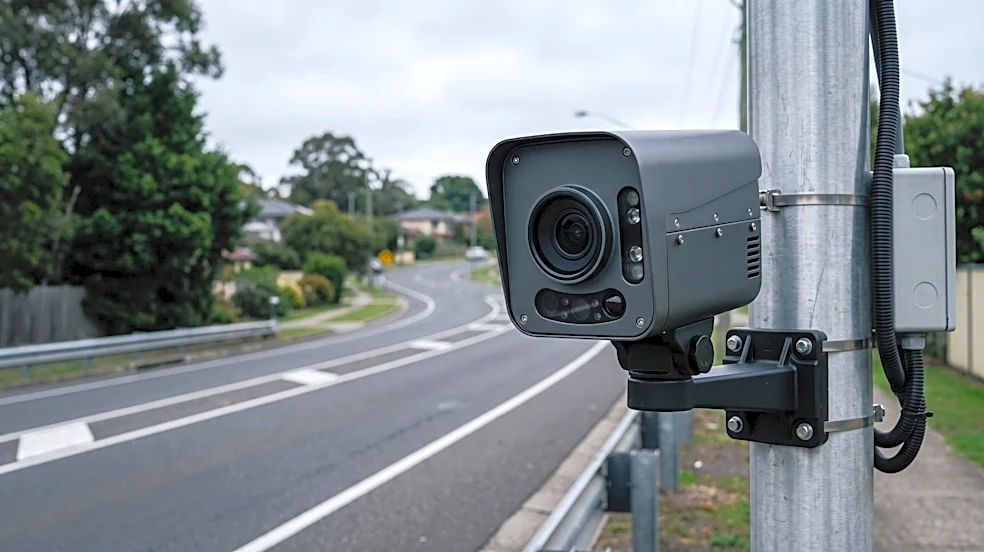
The Faith and Conviction Coalition is actively voicing its discomfort regarding the rapid proliferation of Flock cameras in the Fargo-Moorhead metropolitan area. The group contends that these cameras constitute a form of police surveillance, tracking
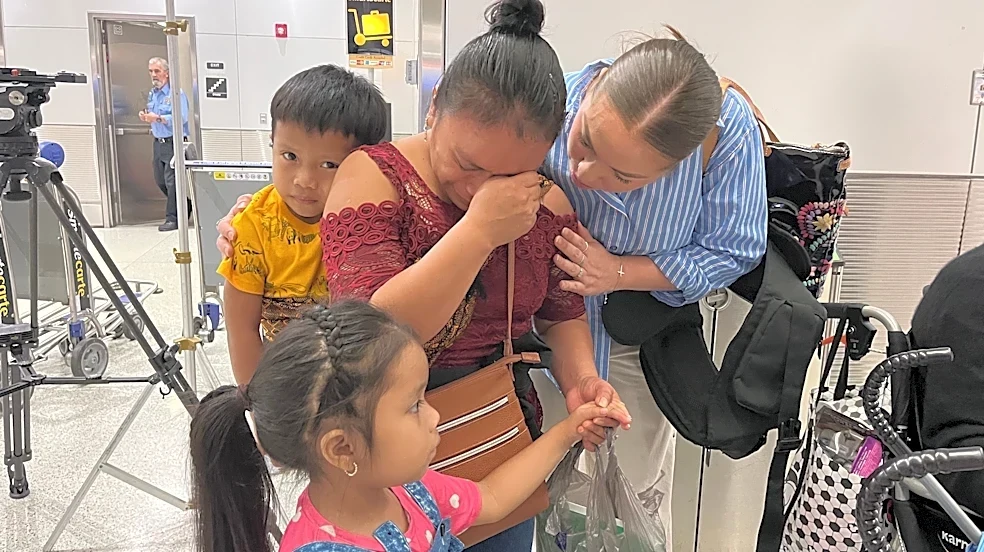
individuals as they conduct their daily lives. According to the Coalition, the presence of these cameras violates the Fourth Amendment right to privacy. Clare Palmer, a member of the Faith and Conviction Coalition, expressed concerns that the cameras leave people vulnerable and that government use of artificial intelligence for identification is undesirable. The Coalition reports that there are at least 50 Flock cameras in West Fargo and more than 5 in Moorhead. The group also highlights that immigrant, refugee, and asylum-seeking communities feel less safe and are afraid to engage in routine activities like grocery shopping or attending school due to the cameras.
Why It's Important?
The concerns raised by the Faith and Conviction Coalition about Flock cameras in the Fargo-Moorhead area are significant for several reasons. Firstly, they bring to the forefront the ongoing national debate about privacy rights versus public safety, particularly concerning surveillance technology. The Fourth Amendment, which protects against unreasonable searches and seizures, is central to this discussion. Secondly, the reported fear among immigrant and refugee communities underscores the potential for such technologies to disproportionately affect vulnerable populations, leading to feelings of insecurity and distrust in local authorities. The rapid deployment of these cameras, with 50 in West Fargo alone, suggests a growing trend in municipal policing that could have long-term implications for civil liberties and community relations across the U.S. The use of artificial intelligence in identification further complicates these issues, raising questions about accuracy, bias, and accountability.
What's Next?
The Faith and Conviction Coalition is expected to continue its advocacy against the widespread use of Flock cameras in the Fargo-Moorhead area. This may involve further public awareness campaigns, community organizing, and potentially engaging with local government bodies to discuss policy changes or restrictions on surveillance technology. The debate could escalate into calls for greater transparency regarding camera placement, data retention policies, and the specific uses of the collected information. Local authorities might face increasing pressure to justify the necessity and effectiveness of these cameras, as well as to address the privacy concerns raised by community groups. The outcome in Fargo-Moorhead could set a precedent for other U.S. cities grappling with similar issues of surveillance technology and civil liberties.
Beyond the Headlines
Beyond the immediate privacy concerns, the deployment of Flock cameras and the subsequent community backlash in Fargo-Moorhead touch upon deeper societal implications. The reliance on AI for identification raises ethical questions about algorithmic bias and the potential for misidentification, which could have severe consequences for individuals. The feeling of being constantly monitored can erode the sense of freedom and anonymity in public spaces, fundamentally altering the relationship between citizens and the state. This situation also highlights the challenge of integrating advanced technology into policing while safeguarding democratic values and individual rights. The discussion in Fargo-Moorhead is a microcosm of a larger national conversation about the future of policing, surveillance, and the balance between security and liberty in an increasingly digital world.