

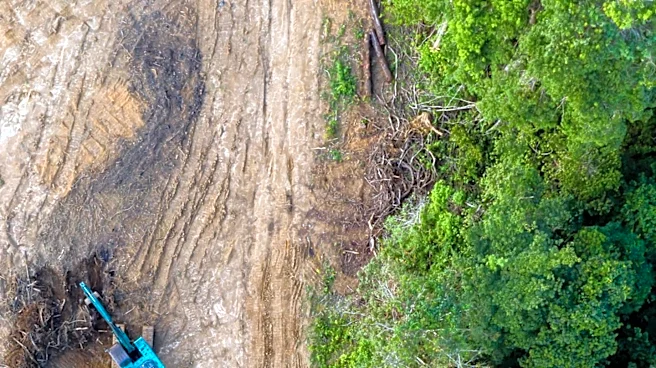
What's Happening?
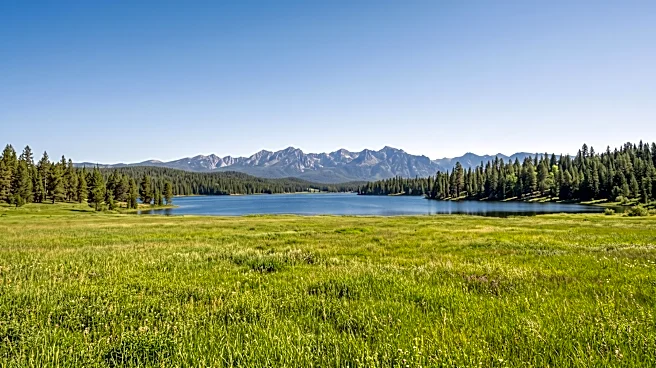
Idaho's national forests are set to receive $12.4 million in federal funding through new agreements between the U.S. Forest Service and the Idaho Department of Lands. These five new Good Neighbor Authority agreements aim to expand active forest management,
accelerate restoration efforts, and strengthen long-term collaboration across the state's national forests. The funding will support various activities, including timber sale preparation and implementation, hazardous fuels reduction, road improvements, timber salvage, reforestation, post-wildfire recovery, thinning, and watershed protection. A key component of this initiative is a 20-year statewide Good Neighbor Authority agreement that covers all national forests in Idaho, establishing a long-term framework for sustained investment and coordinated planning. This effort builds upon the 2025 Idaho Shared Stewardship Agreement, which emphasizes sustainable timber production, landscape-scale restoration, and increased hazardous fuels reduction.
Why It's Important?
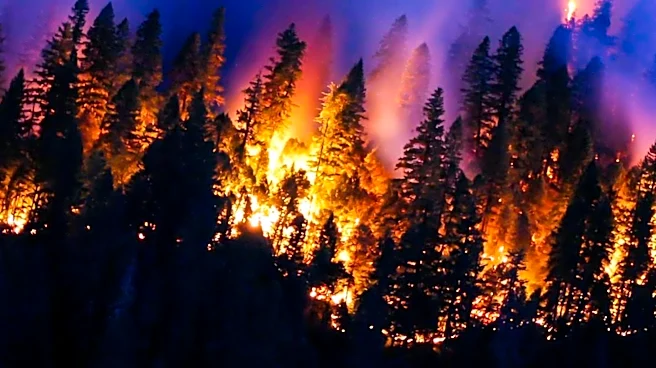
This significant federal investment is crucial for improving the health and resilience of Idaho's forests, which are increasingly vulnerable to wildfires. By accelerating forest treatments and reducing hazardous fuels, the agreements aim to mitigate the risk of catastrophic wildfires, protecting both natural resources and communities. The collaboration between the U.S. Forest Service and the Idaho Department of Lands through the Good Neighbor Authority model is vital for cross-boundary forest management, ensuring a more cohesive and effective approach to conservation. Furthermore, the initiative supports rural economies by providing sustainable timber supplies and creating local jobs through forest management projects. This proactive approach to forest health is essential for maintaining ecological balance, safeguarding water resources, and ensuring the long-term viability of Idaho's forest ecosystems.
What's Next?
The new agreements are expected to facilitate over 100 future Good Neighbor Authority timber sales and numerous additional restoration projects across Idaho. Officials anticipate that this work will significantly increase the pace and scale of forest management activities, leading to improved forest health, reduced wildfire risk, and stronger rural communities. Idaho Governor Brad Little has emphasized that this work supports his 'Make Forests Healthy Again' Executive Order, indicating a continued commitment from the state government. The long-term framework established by the 20-year statewide agreement suggests a sustained effort in forest restoration and wildfire prevention. The success of these initiatives will likely be monitored, and their effectiveness could serve as a model for other states facing similar challenges in forest management and wildfire mitigation.
Beyond the Headlines
The implementation of these Good Neighbor Authority agreements highlights a broader shift towards collaborative conservation and shared stewardship in federal land management. This approach recognizes that effective forest management requires cooperation between federal agencies, state governments, local communities, and private industry. Beyond the immediate benefits of wildfire reduction and forest health, these agreements foster a sense of collective responsibility for natural resources. They also underscore the economic importance of sustainable forestry, demonstrating how environmental protection can go hand-in-hand with supporting local livelihoods. The long-term commitment embedded in the 20-year agreement suggests a strategic vision for managing public lands that prioritizes resilience and sustainability in the face of evolving environmental challenges, such as climate change and increased wildfire frequency.