







What's Happening?
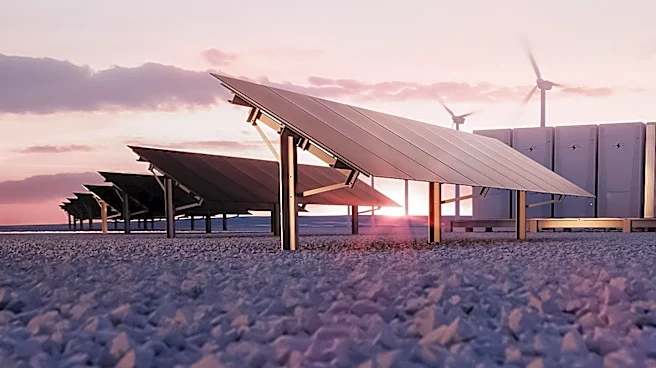
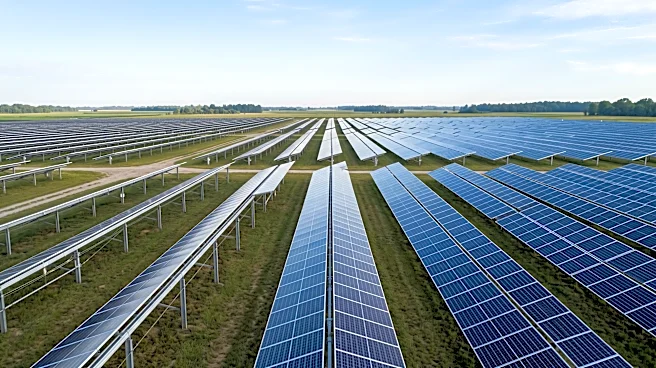
A new whitepaper, developed by the Solar Energy Industries Association (SEIA) and Current Energy Group, provides a framework for U.S. grid operators and energy regulators to utilize distributed energy resources (DERs), such as solar and battery storage,
to improve grid reliability and affordability. Titled the 'Distributed Capacity Procurement (DCP) Framework,' the report addresses challenges like rising electricity demand, high energy prices, and aging infrastructure. It proposes three procurement pathways to bolster available resources, respond to growing loads, and offer a faster, more cost-effective solution to infrastructure needs. The whitepaper emphasizes using the least restrictive pathways and prioritizing third-party or customer-owned DERs, with utility-owned resources considered only in limited cases.
Why It's Important?
This whitepaper is crucial for the U.S. energy sector as it offers a practical roadmap for modernizing the electric grid and meeting increasing energy demands. By advocating for DERs, the report highlights a shift from traditional centralized power generation to a more decentralized and resilient system. This approach can lead to lower electricity bills for consumers by reducing reliance on expensive wholesale market purchases and avoiding costly infrastructure upgrades. For U.S. industries, a more reliable and affordable energy supply can enhance operational stability and competitiveness. Furthermore, the widespread adoption of solar and storage technologies supports national climate goals by reducing carbon emissions and promoting renewable energy sources, contributing to a cleaner and more sustainable energy future.
What's Next?
The whitepaper outlines 10 key principles and policy tools that regulators can immediately implement to integrate the DCP Framework. Numerous states have already passed legislation to expand DERs, including community solar and battery storage, and to maximize their value through programs like virtual power plants. The recommendations in this report are expected to further guide policymakers and regulators in developing and refining these initiatives. The focus on competitive procurement of third-party-owned DERs suggests a future where private sector innovation plays a larger role in grid modernization. Continued collaboration between industry associations, energy groups, and government bodies will be essential to translate these frameworks into widespread practical application across the U.S.
Beyond the Headlines
The shift towards distributed energy resources has profound implications beyond immediate grid reliability and cost savings. It democratizes energy production, allowing more consumers and communities to participate in and benefit from the energy market. This can foster local economic development and energy independence. However, it also presents challenges in terms of grid management and regulatory oversight, requiring sophisticated systems to integrate and balance diverse energy sources. The emphasis on third-party ownership could also reshape the utility business model, potentially leading to new market structures and competitive landscapes. Ultimately, the successful implementation of these strategies could accelerate the U.S.'s transition to a fully decarbonized energy system, setting a global example for sustainable energy infrastructure.