
What's Happening?
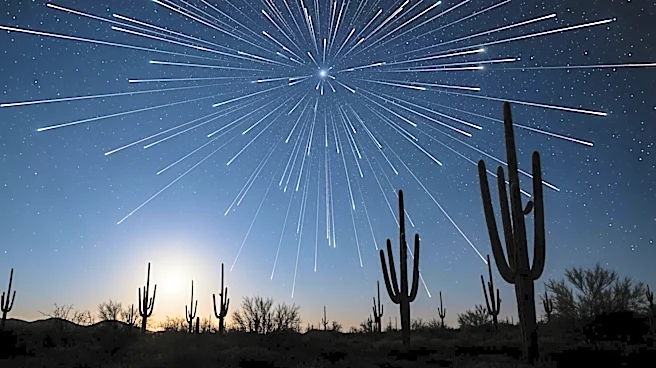
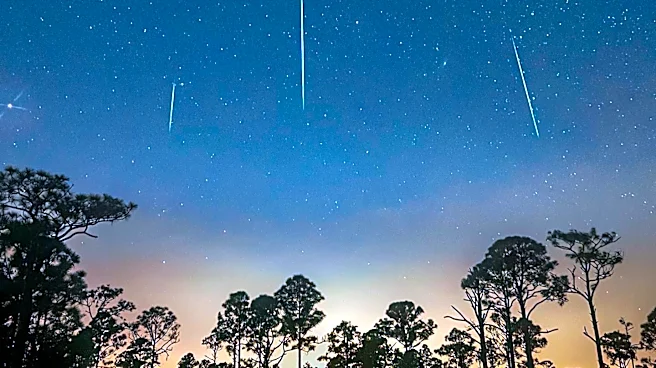
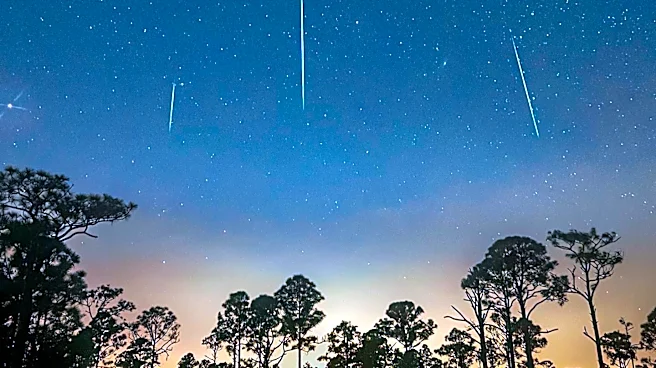
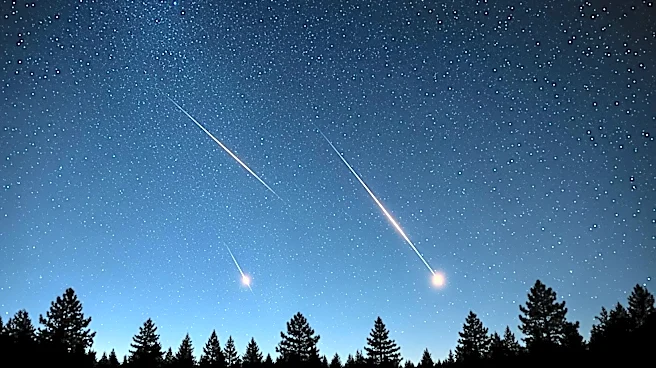
The Eta Aquarids meteor shower is set to peak over Oregon in the early morning hours of May 6, 2026. This annual meteor shower, active from mid-April through late May, is a result of Earth passing through debris
left by Halley’s Comet. The shower is known for its long, glowing trails rather than bright fireballs. While the shower is more prominent in the Southern Hemisphere, Oregon residents can still enjoy the spectacle if the skies remain clear. The best viewing time is between midnight and dawn, with the meteors most visible during the darkest hours just before dawn. Under ideal conditions, the Eta Aquarids can produce up to 50 meteors per hour, though in Oregon, the number is typically closer to 10 to 30 meteors per hour.
Why It's Important?
Meteor showers like the Eta Aquarids provide a unique opportunity for public engagement with astronomy and natural phenomena. They offer a chance for educational outreach and inspire interest in space science. For Oregon, this event can boost local tourism, especially in areas designated as dark sky places, which are ideal for stargazing. The shower also highlights the ongoing influence of Halley’s Comet, a celestial body that has fascinated humans for centuries. Such events remind us of our planet's place in the solar system and the dynamic nature of space.
What's Next?
Following the Eta Aquarids, the next major meteor showers are the Southern Delta Aquarids and the Perseids, expected to peak in late July and mid-August, respectively. These events will continue to draw interest from both amateur and professional astronomers. In Oregon, efforts to preserve dark sky areas will be crucial for future celestial events, ensuring that light pollution does not hinder the viewing experience.