





What's Happening?
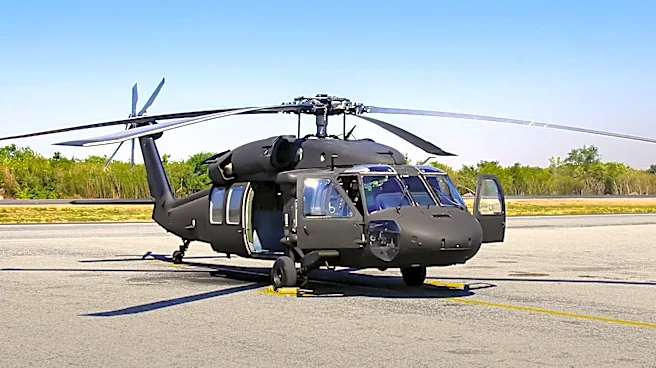
The United States has approved a potential Foreign Military Sale of Bell helicopters, weapons, and related equipment to Iraq, valued at approximately $800 million. This proposed sale includes Bell 412EPX and Bell 407M helicopters, GAU-19 three-barrel
machine gun launchers, M260 seven-tube launchers for 2.75-inch rockets, electro-optical/infrared sensors, and missile launch detection systems. The package also encompasses Very High Frequency radios, spare parts, ground support equipment, technical publications and data, and new-equipment training for Iraqi pilots and maintenance personnel. U.S. government and contractor personnel are expected to provide engineering, technical, and logistics support. The State Department did not specify the exact number of helicopters Iraq intends to purchase, noting that the final quantity, configuration, and cost could change as the sale progresses through the Foreign Military Sales process. Bell-Textron, based in Fort Worth, Texas, is identified as the principal contractor for this potential sale.
Why It's Important?
This potential military sale is significant as it aims to bolster Iraq’s defense capabilities, particularly in rotary-wing transport, reconnaissance, and air-to-surface targeting. By strengthening these areas, Iraq will be better equipped to address current and future threats, which aligns with U.S. foreign policy and national security interests in the region. The sale also supports the modernization of Iraq’s military helicopter fleet, following previous efforts to replace Russian-made Mi-17 helicopters with Bell 412EPXs and Bell 412Ms, and to upgrade existing Bell 407s for light-attack roles. This move could further solidify the strategic partnership between the U.S. and Iraq, enhancing regional stability and counter-terrorism efforts. For U.S. defense contractors like Bell-Textron, this represents a substantial business opportunity, contributing to the U.S. defense industry's economic health and technological leadership.
What's Next?
The approval of this potential sale is an initial step in the Foreign Military Sales process. The final quantity, configuration, and cost of the helicopters and associated equipment will be determined as negotiations proceed between the U.S. and Iraqi governments. Following this, a definitive contract would need to be finalized. U.S. government and contractor personnel will then be involved in providing engineering, technical, and logistics support, as well as new-equipment training for Iraqi pilots and maintenance personnel. This ongoing support indicates a long-term commitment to enhancing Iraq's military capabilities. The successful execution of this sale could also pave the way for future defense collaborations and sales, further integrating Iraq into the U.S. security framework and potentially influencing regional military balances.
Beyond the Headlines
Beyond the immediate military and economic implications, this sale underscores a broader U.S. strategy to maintain influence and stability in the Middle East through security assistance. By providing advanced military hardware and training, the U.S. aims to foster self-sufficiency in its strategic partners, reducing the need for direct U.S. military intervention in certain scenarios. This approach also serves to counter the influence of other global powers that might seek to provide military equipment to the region. The emphasis on training and logistical support suggests a commitment to building enduring capabilities rather than just supplying hardware, which can lead to deeper interoperability and intelligence sharing. However, such sales also carry the ethical consideration of ensuring that advanced weaponry is used responsibly and does not contribute to regional conflicts or human rights abuses, necessitating ongoing oversight and engagement from the U.S. government.