





What's Happening?
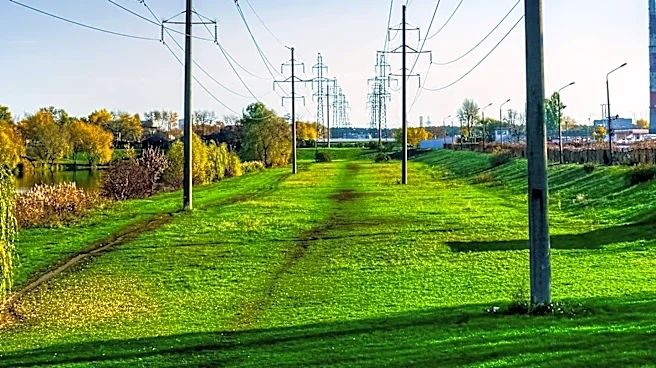
Tens of thousands of landowners across Michigan are expressing strong opposition to proposed high-voltage electric transmission lines, including the Copperton Projects, a 250-mile stretch of lines planned to come online by 2032. These projects are part
of Tranche 2.1, an initiative by the Midcontinent Independent System Operator (MISO) spanning 15 states and a Canadian province, aimed at increasing electric reliability. Landowners like Rick Thelen, whose 80-acre field near Lansing could be impacted, are concerned about electromagnetic fields, potential decreases in property values by up to 10%, and restrictions on land use due to the required 200 feet of clearance around the towering lines. The Wheatland Music Organization in Mecosta County also stated that the Copperton Projects would significantly affect its operations, including over 130 campsites and year-round programs. ITC, the largest electric transmission company in the U.S., is responsible for construction and plans to apply to the Michigan Public Service Commission next year, potentially using eminent domain if negotiations with landowners fail.
Why It's Important?
This widespread opposition highlights a growing conflict between critical infrastructure development and individual property rights in the U.S. The proposed power lines are deemed essential by ITC and MISO to enhance electric reliability in Michigan, a state that consistently ranks last nationally in power reliability. However, the projects face significant local resistance due to concerns over environmental impact, health risks associated with electromagnetic fields (though the World Health Organization notes a weak link to cancer), and economic repercussions for landowners. The potential use of eminent domain further exacerbates tensions, raising questions about the balance between public utility needs and private land ownership. The outcome of these disputes could set precedents for future infrastructure projects, influencing how utility companies engage with communities and how regulatory bodies weigh public benefit against local impact.
What's Next?
The Copperton Projects are currently in a public listening phase, with ITC holding public sessions across Michigan. Landowner open houses are scheduled for spring 2027, followed by public meetings in fall 2027. ITC expects to submit its official application to the Michigan Public Service Commission next year. State regulators have proposed new rules to increase transparency and public involvement in transmission line siting, requiring companies to detail route justifications, provide accessible contact information, and invite affected landowners and local government leaders to public input meetings. These rules would also mandate documentation of public comments and requests for route changes, and require consideration of alternate routes. The Michigan Public Service Commission will hold a public hearing to discuss these proposed rules, which could influence the approval process and future project developments.
Beyond the Headlines
The debate over high-voltage power lines in Michigan reflects broader national challenges in modernizing aging infrastructure while addressing community concerns. The tension between energy reliability and local environmental and property rights issues is a recurring theme in U.S. development. The proposed regulatory changes by the Michigan Public Service Commission indicate a recognition of the need for greater public engagement and transparency, potentially leading to more collaborative approaches in infrastructure planning. However, the fundamental power of eminent domain remains a contentious issue, underscoring the legal and ethical complexities of balancing collective societal needs with individual liberties. The long-term implications could include shifts in land use policies, increased litigation, and potentially higher costs for infrastructure projects if undergrounding or more circuitous routes become mandatory to mitigate community impact.