



What's Happening?
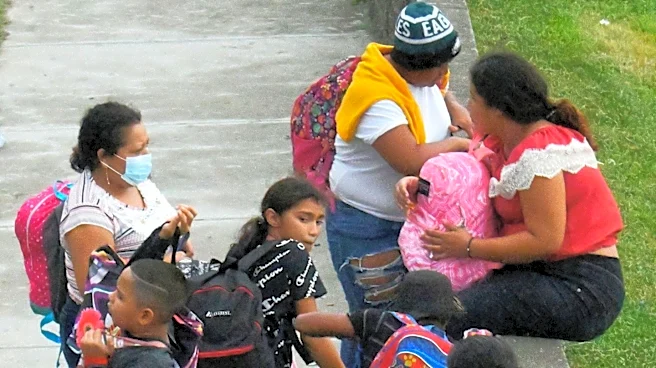
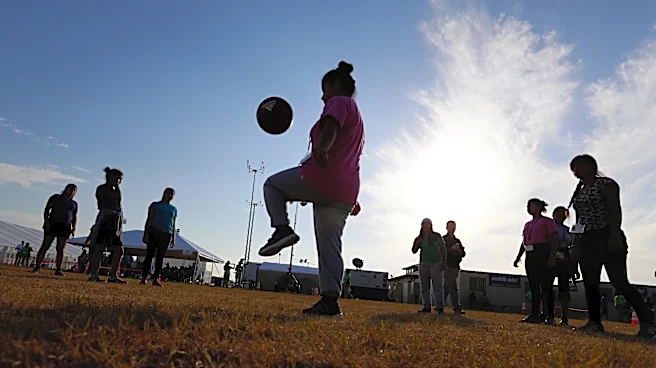
Senator Dick Durbin and Representative Bill Foster recently visited a shelter in Illinois housing unaccompanied immigrant children who have fled difficult situations in their home countries. Concerns have been raised by immigration attorneys that approximately
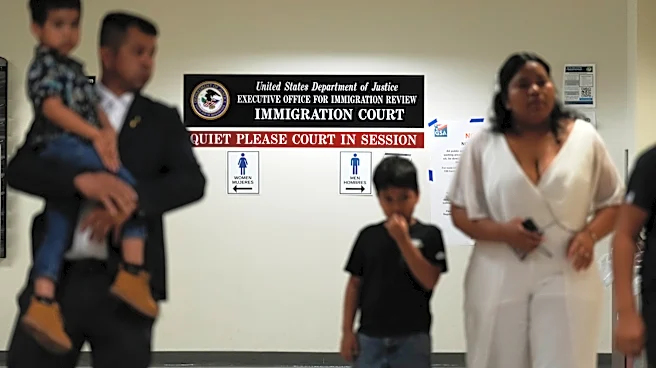
26,000 vulnerable immigrant children across the United States could face deportation without legal representation. This issue has been exacerbated by recent Department of Justice policy changes and the expiration of a federal contract that provided these children with legal representation. Laura Smith, executive director of the Children’s Legal Center, emphasized the complexity of the immigration process, particularly for young children, and the fear they experience in court. The federal Office of Refugee Resettlement has stated it remains compliant with legal obligations and has offered to extend the contract if certain data is provided.
Why It's Important?
The potential lack of legal representation for immigrant children in deportation proceedings could have significant implications for their futures. Without attorneys, these children, some as young as five, may not fully understand or be able to navigate the complex immigration system, increasing their risk of deportation. This situation highlights broader issues within the U.S. immigration system, particularly concerning the rights and protections of vulnerable populations. The expiration of the federal contract and the withholding of payments to legal centers could further strain resources, leaving many children without necessary legal support. This development could lead to increased deportations and family separations, impacting communities and raising ethical concerns about the treatment of immigrant children.
What's Next?
The situation may prompt further discussions and actions from lawmakers and advocacy groups to address the gap in legal representation for immigrant children. There could be calls for the renewal or renegotiation of the federal contract to ensure continued legal support. Additionally, appeals against recent deportation orders for children in the Chicago area are ongoing, which may set precedents for future cases. The response from the Department of Homeland Security and the Department of Justice, which have yet to comment, will be crucial in determining the next steps and potential policy adjustments.