




What's Happening?
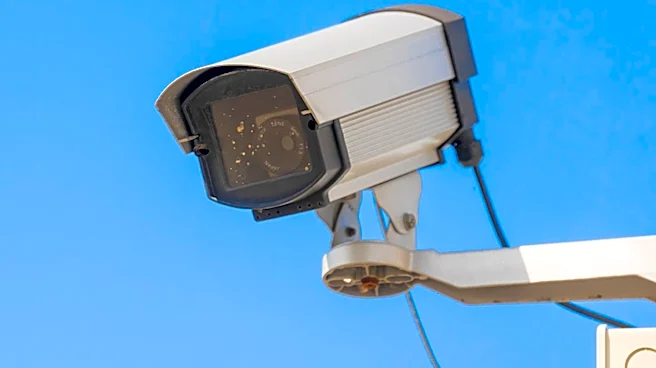
The Will County Board has approved the installation of Flock license plate reading cameras in several suburban areas, including Mokena, Crete, Manhattan, Frankfort, Naperville, and Wilmington. This decision follows the recent adoption of stricter rules
and policies for the technology by these municipalities. The approval comes amidst ongoing concerns regarding the potential misuse of these cameras. For example, a former Wisconsin sheriff's deputy has been charged with using Flock cameras to track a co-worker for personal reasons, and an officer in suburban Itasca was dismissed for allegedly misusing the technology. Despite these concerns, the Will County Board has moved forward with expanding the use of these cameras in an effort to enhance public safety and law enforcement capabilities.
Why It's Important?
The expansion of Flock camera usage in Will County signifies a growing trend in U.S. law enforcement to adopt advanced surveillance technologies for crime prevention and investigation. While proponents argue that these cameras are effective tools for identifying stolen vehicles, locating suspects, and solving crimes, their deployment raises significant privacy concerns among civil liberties advocates. The incidents of alleged misuse in Wisconsin and Itasca highlight the potential for abuse of such powerful surveillance tools, prompting calls for robust oversight and clear policies to protect individual privacy. The decision by the Will County Board, coupled with the adoption of stricter rules, indicates an attempt to balance public safety needs with privacy protections, but the ongoing debate over data retention, access, and accountability remains a critical issue for communities nationwide.
What's Next?
Following the Will County Board's approval, the Flock cameras will be installed and become operational in Mokena, Crete, Manhattan, Frankfort, Naperville, and Wilmington. The effectiveness of the recently adopted stricter rules and policies governing the use of this technology will be closely monitored. Public scrutiny and ongoing debates about privacy versus security are likely to continue as these cameras become more prevalent. Law enforcement agencies will face the challenge of demonstrating the cameras' utility in reducing crime while ensuring they are not misused. Future discussions may involve further refinement of policies, increased transparency regarding data usage, and potential legal challenges from privacy advocates, as communities grapple with the implications of widespread surveillance technology.
Beyond the Headlines
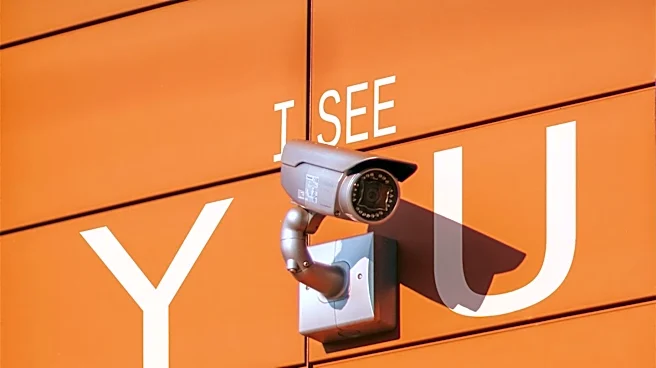
The deployment of Flock cameras in Will County is part of a broader national conversation about the role of surveillance technology in modern policing. Beyond the immediate concerns of crime reduction and privacy, these systems contribute to the creation of a vast network of data that can be analyzed for patterns, predictions, and potentially, for purposes beyond their initial intent. The ethical implications of constant monitoring, the potential for algorithmic bias, and the impact on civil liberties are profound. The balance between collective security and individual freedom is constantly being renegotiated in the digital age, and the proliferation of technologies like Flock cameras forces communities to confront these complex trade-offs. The long-term societal impact could include a chilling effect on public assembly, increased distrust in law enforcement, or, conversely, a more efficient and equitable justice system, depending on how these technologies are governed and utilized.