






What's Happening?
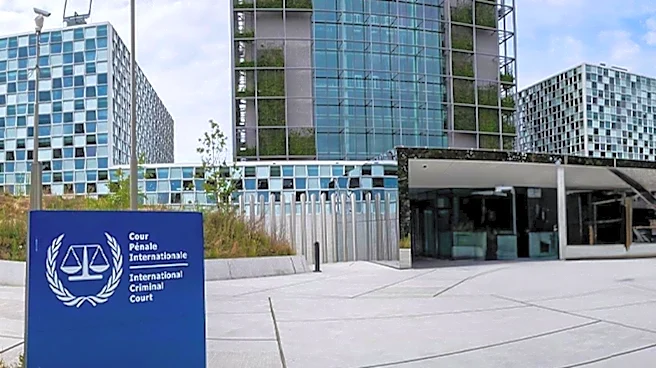
On October 16, 2026, the International Criminal Court (ICC) announced the implementation of amendments to its Code of Judicial Ethics. These changes, agreed upon by the Court’s judges under regulation 126 of the Regulations of the Court, primarily address
the use of social media by judges and reinforce the binding nature of the Code. A new paragraph has been added to Article 10, mandating judges to exercise caution when using social media and other information technologies. This requirement emphasizes the potential impact of such use on safety, security, and public trust in the Court. The amendments clarify that established principles of judicial independence, impartiality, integrity, fairness, and responsible communication are applicable to judges' online activities. Furthermore, Article 12 has been revised to explicitly state that the ethical standards within the Code are binding on judges at all times and, where relevant, continue to apply to former judges. The revised provision also specifies that non-compliance with the Code could lead to misconduct or a breach of duty under Articles 46 and 47 of the Rome Statute and Rules 24 and 25 of the Rules of Procedure and Evidence.
Why It's Important?
These amendments are significant for maintaining the integrity and public perception of the International Criminal Court, an institution tasked with prosecuting individuals for genocide, war crimes, crimes against humanity, and the crime of aggression. By explicitly addressing social media use, the ICC aims to mitigate risks associated with digital platforms, such as potential security breaches for witnesses and erosion of public trust. The clarification that ethical standards are binding on judges at all times, including former judges, reinforces accountability and ensures consistent adherence to judicial conduct. This move is crucial in an era where digital communication can quickly influence public opinion and potentially compromise sensitive legal proceedings. The explicit link between non-compliance and disciplinary actions under the Rome Statute underscores the seriousness with which the ICC views judicial ethics, aiming to safeguard the impartiality and effectiveness of its judicial processes. This could set a precedent for other international judicial bodies in adapting their ethical guidelines to the digital age.
What's Next?
The immediate next step involves the full implementation and adherence to these amended ethical guidelines by all ICC judges, both current and former. The Court will likely monitor the application of these new rules, particularly concerning judges' interactions on social media platforms. There may be internal training or guidance provided to judges to ensure a clear understanding of the updated expectations regarding digital conduct. The explicit mention of potential misconduct or breach of duty for non-compliance suggests that the ICC may be prepared to enforce these rules rigorously, potentially leading to disciplinary actions if violations occur. This could also prompt discussions among other international legal bodies about updating their own codes of conduct to address the evolving challenges posed by social media and digital technologies, especially concerning judicial impartiality and security. The amendments may also influence how the ICC communicates with the public, potentially leading to more structured guidelines for official judicial communication in the digital sphere.
Beyond the Headlines
The ICC's decision to amend its Code of Judicial Ethics reflects a broader trend in legal and professional spheres to grapple with the complexities of digital presence and its impact on professional integrity. Beyond the immediate operational implications, these amendments highlight the evolving nature of judicial ethics in the 21st century, where the line between personal and professional conduct can blur online. The emphasis on 'public trust' in the Court underscores the recognition that judicial legitimacy is not solely built on legal rulings but also on the perceived impartiality and conduct of its members. This move could also be seen as a proactive measure to protect the institution from potential disinformation campaigns or undue influence that can proliferate on social media. Ethically, it raises questions about the extent to which public figures, particularly those in judicial roles, can maintain a private online persona without it impacting their professional duties. The binding nature extending to former judges also suggests a long-term commitment to upholding the Court's reputation, even after individuals have left their posts, acknowledging the lasting impact of their past roles.