




What's Happening?
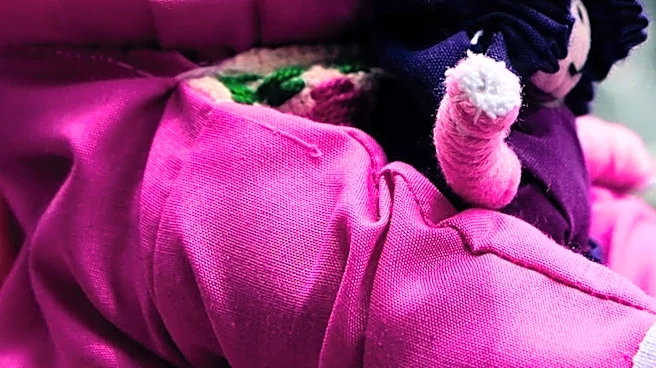
U.S. Representative Tim Walberg, who chairs the House Education and the Workforce Committee, has initiated a third federal investigation into the University of Minnesota's 'MyGender Dolls' project. This project involves 'therapeutic' dolls with 'interchangeable
genitalia' designed for gender-confused children as young as four. Walberg's investigation, announced on Friday, August 28, 2026, seeks to determine if taxpayer funds were used, either directly or indirectly, to support the MyGender Dolls project. The university has previously stated that the project was 'solely funded by private donations,' a claim Walberg is scrutinizing. He has requested detailed information regarding the project's funding sources and whether the dolls are being utilized in 'clinical spaces,' including public schools. Walberg also raised concerns about parental notification and opt-out options for children in settings where these dolls might be used, citing federal law requirements. This new probe follows earlier investigations by the U.S. Department of Education and the U.S. Senate Health, Education, Labor, and Pensions Committee, which were prompted by a complaint from the conservative group Defending Education.
Why It's Important?
This investigation is significant as it delves into the use of public funds for projects related to gender identity in educational and therapeutic settings, a topic that has become a focal point in national cultural and political debates. The potential involvement of taxpayer money in the MyGender Dolls project, despite the university's claims of private funding, raises questions about financial transparency and accountability for public institutions. Furthermore, the inquiry into the use of these dolls in public schools and the notification of parents touches upon sensitive issues of parental rights, educational curriculum, and the role of schools in addressing gender identity among young children. The outcome could influence future funding guidelines for university research, particularly for projects that intersect with social and ethical controversies. It also highlights the increasing scrutiny from federal lawmakers on university programs, especially those perceived to be controversial or to potentially overstep traditional educational boundaries. The investigation could set precedents for how federal oversight bodies interact with academic institutions on matters of research, funding, and public engagement.
What's Next?
The House Education and the Workforce Committee has requested a comprehensive list of documents from the University of Minnesota's Institute for Sexual and Gender Health. These documents include details on funding sources, communications between project leaders and schools, and applications from public entities to participate in the project. The university is expected to comply with this demand, providing the requested information to the committee. Following the review of these documents, the committee will likely hold hearings or issue further directives based on its findings. Depending on the evidence, there could be calls for stricter regulations on federal funding for university projects, potential legal challenges, or policy changes regarding parental consent and curriculum in public schools. The investigation's findings may also influence public opinion and political discourse surrounding gender identity education and research, potentially leading to broader legislative efforts at both federal and state levels concerning these issues. The MyGender Dolls project itself, slated for a fall 2026 launch, may face delays or modifications depending on the investigation's conclusions and any subsequent actions taken by federal authorities.
Beyond the Headlines
Beyond the immediate concerns of funding and parental consent, this investigation touches on deeper societal and ethical questions regarding the role of educational institutions in shaping children's understanding of gender. The development of 'therapeutic' dolls with 'interchangeable genitalia' for young children reflects a growing trend in gender-affirming approaches, which are increasingly debated in public and academic spheres. The controversy highlights the tension between academic freedom and public accountability, particularly when research projects involve sensitive topics and potentially impact minors. It also underscores the ongoing cultural clash between traditional views on gender and evolving perspectives on gender identity. The scrutiny from federal lawmakers could lead to a re-evaluation of the ethical guidelines for research involving children and the extent to which universities should engage in projects that are perceived as socially divisive. This event could also contribute to a broader discussion about the balance between scientific inquiry and community values, and how public institutions navigate these complex issues while maintaining public trust and support.