
What's Happening?
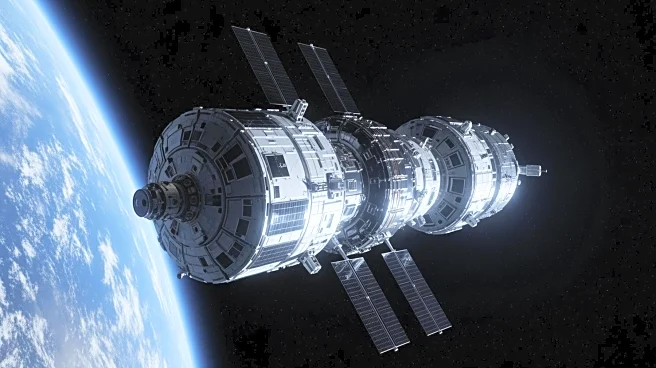
NASA has decided to conclude the current mission aboard the International Space Station (ISS) earlier than planned due to a medical issue involving one of the astronauts. The decision was made on January 8, as a precautionary measure to ensure the safety
and well-being of the crew. The affected astronaut, along with the rest of the crew, successfully undocked from the ISS and splashed down in the Pacific Ocean. The specific nature of the medical situation has not been disclosed, but NASA emphasized that the decision was made out of an abundance of caution. The mission's early termination underscores the challenges and risks associated with space travel, where medical emergencies can pose significant challenges due to the remote and isolated environment.
Why It's Important?
The early termination of the ISS mission highlights the inherent risks and complexities of human space exploration. Medical emergencies in space require immediate and effective responses, as the environment is far removed from terrestrial medical facilities. This incident may prompt NASA and other space agencies to review and potentially enhance their medical protocols and emergency response strategies for future missions. The situation also underscores the importance of having robust medical support systems in place for astronauts, who are often in space for extended periods. The decision to prioritize crew safety by ending the mission early reflects NASA's commitment to maintaining high safety standards in its operations.
What's Next?
Following the safe return of the crew, NASA is likely to conduct a thorough review of the incident to understand the medical issue and assess the effectiveness of their response. This review could lead to updates in medical protocols and training for astronauts to better handle similar situations in the future. Additionally, NASA may collaborate with international partners to share insights and improve collective preparedness for medical emergencies in space. The findings from this incident could also inform the planning and execution of future missions, including those involving longer durations or more distant destinations, such as Mars.