



What's Happening?
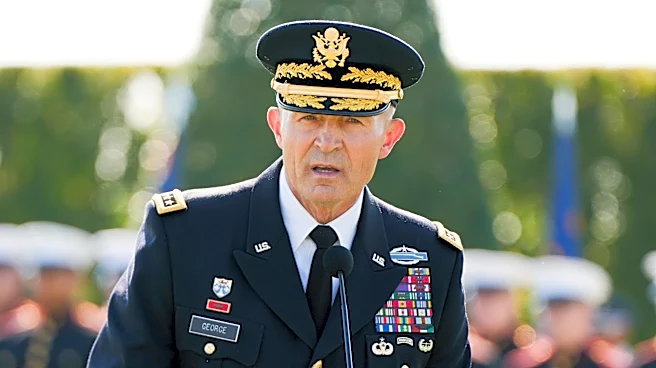
Retired U.S. Lieutenant General Russel L. Honoré has criticized Pete Hegseth's approach to the Iran war, particularly the 'no quarter' rule, which he argues violates the rules of war and endangers lives. Hegseth, during a Pentagon briefing, emphasized
a strategy of 'no mercy' towards enemies, which Honoré claims contradicts the Geneva Conventions that require combatants who surrender to be taken prisoner. This approach has been linked to recent military actions, including a U.S. submarine attack on an Iranian frigate, where no rescue efforts were made for the shipwrecked sailors. Honoré's comments highlight concerns over the adherence to international law in military operations.
Why It's Important?
The criticism from a high-ranking retired military official underscores the potential legal and ethical implications of current U.S. military strategies. The 'no quarter' rule, if implemented, could constitute a war crime, potentially damaging the U.S.'s international standing and complicating diplomatic relations. This approach may also affect military morale and the perception of U.S. forces globally. The controversy could lead to increased scrutiny of military policies and pressure for adherence to international laws, impacting future military engagements and foreign policy decisions.
What's Next?
The Pentagon may face calls for a review of its military strategies and adherence to international law. There could be increased pressure from international bodies and human rights organizations to ensure compliance with the Geneva Conventions. The U.S. government might need to address these concerns to maintain its global reputation and avoid potential legal repercussions. Additionally, this issue could influence public opinion and political discourse regarding military operations and foreign policy.