



What's Happening?
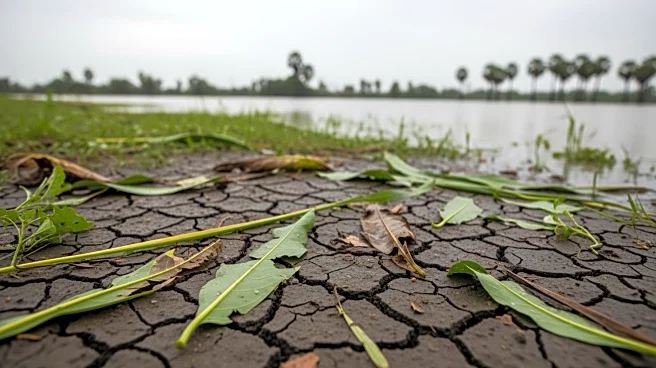
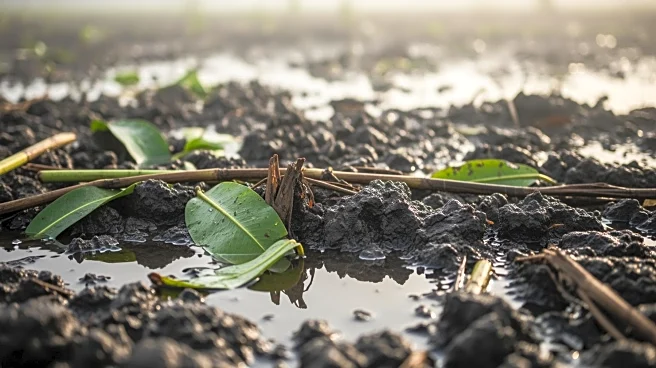
Hawaii's small farmers are grappling with the aftermath of catastrophic flooding caused by two consecutive kona low storms. The storms brought unprecedented rainfall, with some areas receiving up to 50 inches, leading to severe flooding across the islands.
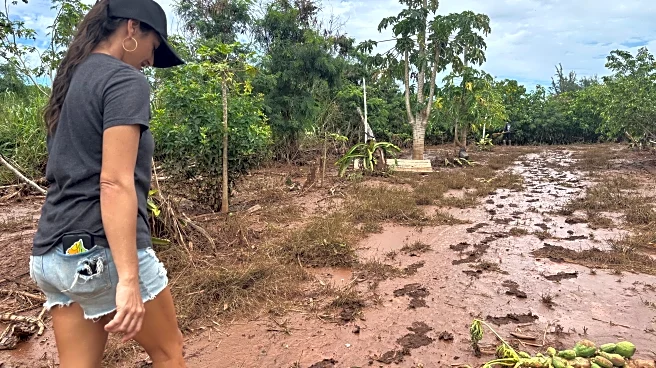
Farms on Oahu, including LewaTerra Farm and Ahiki Acres, suffered extensive damage, with crops submerged and equipment destroyed. The flooding has resulted in an estimated $17.5 million in damages to over 300 farms, according to the Hawai‘i Farm Bureau. Farmers are now in the process of cleaning up and replanting, but the recovery is expected to be long and challenging.
Why It's Important?
The flooding in Hawaii highlights the vulnerability of agricultural sectors to extreme weather events, which are becoming more frequent due to climate change. The damage to farms not only affects local food production but also poses a threat to Hawaii's food security, as the state imports a significant portion of its food supply. The financial impact on farmers is severe, with many lacking crop insurance to cover their losses. This situation underscores the need for increased support and resources to help farmers recover and adapt to changing climate conditions.
What's Next?
Hawaii has launched a $500,000 emergency relief fund to assist farmers, offering grants of up to $1,500. The Hawai‘i Farm Bureau and the Hawai‘i Agricultural Foundation are also organizing relief efforts. However, the long-term recovery will require substantial investment and support to rebuild the agricultural sector and enhance food security. Community efforts are underway to provide immediate assistance, but the future of farming in Hawaii remains uncertain without significant intervention.
Beyond the Headlines
The flooding disaster in Hawaii raises broader questions about the sustainability and resilience of agriculture in the face of climate change. As extreme weather events become more common, there is a pressing need for innovative solutions to protect crops and infrastructure. The situation also highlights the importance of community solidarity and support in times of crisis, as local efforts have been crucial in the initial recovery phase.