





What's Happening?
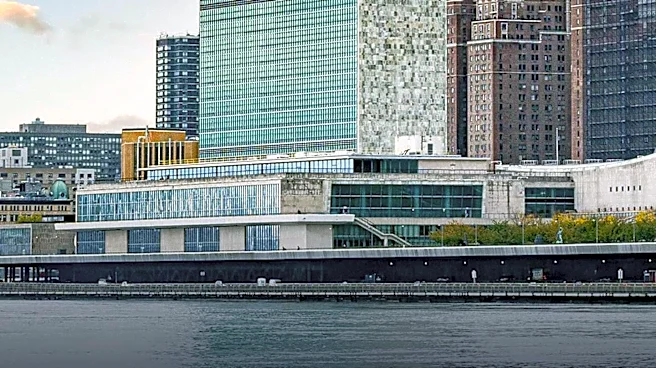
The United Nations Committee on the Elimination of Racial Discrimination (CERD) has stated that countries are legally obligated to consider reparations for the transatlantic slave trade and implement restorative justice measures to address the lasting
impact of racial discrimination. This guidance, issued on Monday, emphasizes that these obligations stem from a legally binding 1965 convention on racial discrimination, rather than legal standards from the slave trade era. CERD is advocating for comprehensive restorative justice, which includes compensation, restitution, rehabilitation, and structural reforms. The UN General Assembly previously adopted a resolution declaring the transatlantic slave trade a grave crime against humanity and urged member states to pursue reparations for historical wrongs. While the UN stresses that financial compensation alone is insufficient, it calls for a broad range of remedial measures, both financial and non-financial, along with structural changes. These measures are intended to be implemented through national action plans with specific deadlines, developed in consultation with people of African descent and relevant committees.
Why It's Important?
This UN directive carries significant implications for the United States, where the implementation of reparations has been a growing trend at local and state levels. However, these programs often face legal and budgetary challenges. For instance, the Department of Justice has joined a class-action lawsuit challenging the Local Reparations Restorative Housing Program in Evanston, Illinois, arguing it violates the Equal Protection Clause of the 14th Amendment and the Fair Housing Act by distributing benefits based on race. Michael Bekesha, a senior attorney at Judicial Watch, contends that such UN mandates are an overreach and that reparations based solely on race would be unconstitutional in the U.S. The outcome of cases like Evanston's could set a precedent, influencing whether other states and cities can legally implement race-based reparations programs. The UN's stance highlights a global push for accountability and redress for historical injustices, potentially increasing international pressure on the U.S. to address these issues within its legal framework.
What's Next?
The ongoing legal challenges to reparations programs in the U.S., such as the lawsuit against Evanston, Illinois, will be critical in determining the future viability of such initiatives. If Judicial Watch and the Department of Justice prevail in the Evanston case, it could significantly deter other municipalities and states from enacting similar race-based reparations. Conversely, if these programs are upheld, it could encourage broader adoption across the country. The UN's call for national action plans with specific deadlines suggests a continued international focus on this issue, potentially leading to further discussions and policy considerations within the U.S. government and civil society. Stakeholders, including legal groups, civil rights organizations, and local governments, will likely continue to engage in debates and legal battles over the constitutionality and implementation of reparations.
Beyond the Headlines
The debate over reparations extends beyond legal and financial considerations, touching upon profound ethical and societal questions about historical responsibility, systemic inequality, and the nature of justice. The UN's emphasis on 'restorative justice' and 'structural reforms' suggests a broader vision than mere financial payouts, aiming to dismantle enduring legacies of racial discrimination. This approach challenges societies to confront uncomfortable truths about their past and present, fostering a deeper examination of how historical injustices continue to shape contemporary social and economic disparities. The resistance to reparations in some quarters, particularly on constitutional grounds, underscores the deep divisions within the U.S. regarding how to address its history of slavery and racial discrimination. The UN's intervention adds an international dimension to this domestic conversation, potentially influencing public discourse and policy directions by framing reparations as a global human rights imperative.