




What's Happening?
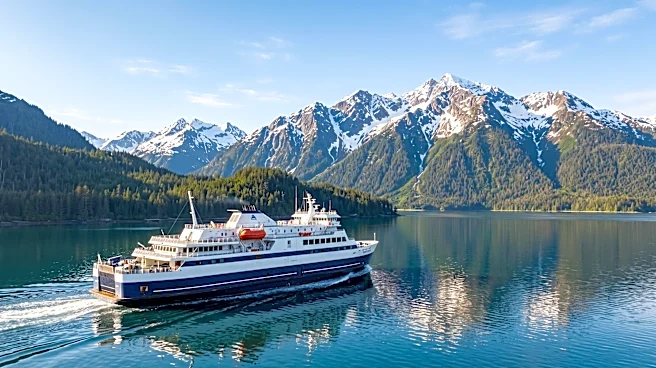
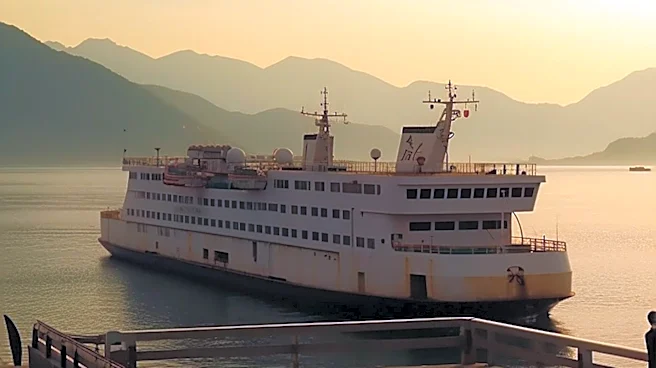
The U.S. Coast Guard Sector Southeast Alaska personnel recently terminated the voyage of a commercial passenger vessel operating in Sitka. On August 20, law enforcement officers from the U.S. Coast Guard Cutter Pike boarded a foreign-built vessel. During
the boarding, it was confirmed that the vessel was conducting passenger operations outside the geographical area authorized by its Maritime Administration waiver. Following this discovery, the crew of the Pike terminated the voyage and escorted the vessel back to Sitka Harbor. Coast Guard Capt. Ginny Nadolny stated that operating a foreign-built vessel as a commercial passenger vessel without valid federal waivers undermines the U.S. maritime industry and bypasses critical regulatory oversight designed to protect public safety and security. The Coast Guard emphasized that coastwise trade laws are enforced to maintain a level playing field for domestic operators and ensure passenger safety.
Why It's Important?
This action by the U.S. Coast Guard highlights the critical importance of regulatory compliance within the U.S. maritime industry, particularly concerning commercial passenger vessels. The enforcement of Maritime Administration waivers and coastwise trade laws is essential for protecting public safety and security, as these regulations ensure that vessels meet specific safety standards and operate within authorized parameters. Non-compliance, as seen in this incident, can create unfair competition for domestic operators who adhere to these regulations, potentially impacting their economic viability. Furthermore, unauthorized operations can expose passengers to unvetted risks, as the vessels may not have undergone the necessary inspections or met the required safety protocols. This incident serves as a reminder to both operators and the public about the stringent requirements for commercial passenger vessels and the Coast Guard's commitment to upholding these standards in U.S. waters.
What's Next?
The U.S. Coast Guard will continue to identify and stop unauthorized passenger operations across Southeast Alaska. The public is encouraged to verify the legality of charter vessels by ensuring that the captain possesses a merchant mariner credential and that the vessel complies with safety requirements before boarding. The Coast Guard advises against boarding vessels that appear unsafe or unauthorized and urges individuals to report suspected unauthorized charter activity through established channels. This includes contacting the Sector Southeast Alaska command center or submitting a tip through CGIS Tips. Further investigations into the specific foreign-built vessel and its operators may lead to penalties or legal action, reinforcing the Coast Guard's commitment to enforcing maritime laws and ensuring the safety and integrity of commercial passenger operations.
Beyond the Headlines
This incident underscores the broader challenges of regulating maritime commerce, especially with the increasing complexity of international operations and the potential for operators to circumvent national laws. The enforcement of coastwise trade laws, such as the Jones Act, is not merely about economic protectionism but also about national security and environmental protection. By ensuring that vessels operating in U.S. waters meet specific standards and are crewed by qualified personnel, the Coast Guard helps mitigate risks associated with maritime accidents, pollution, and illicit activities. The incident also raises awareness about consumer responsibility; passengers have a role in ensuring their own safety by verifying the legitimacy of charter services. This proactive approach by both regulatory bodies and the public is crucial for maintaining a safe, secure, and fair maritime environment.