
What's Happening?
The United States is experiencing a significant surge in measles cases, with over 2,371 reported nationwide, marking the highest number since 1991. This increase is largely attributed to vaccine hesitancy
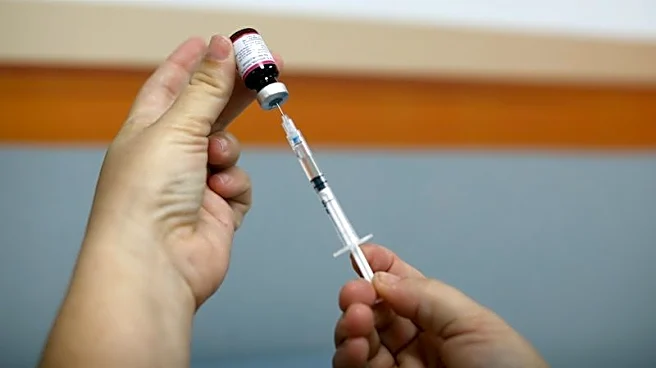
and misinformation, as noted by federal health officials. Active outbreaks are ongoing in states such as Ohio, Utah, Virginia, and Pennsylvania, with the latter experiencing its highest weekly case count in a decade. The Centers for Disease Control and Prevention (CDC) highlights that the measles virus is highly contagious, capable of living in the air for up to two hours after an infected person coughs or sneezes. Despite the availability of the MMR vaccine, which is 97% effective, vaccination rates among kindergarteners remain below the necessary threshold to prevent outbreaks. Health experts express concern that the start of the school year could exacerbate the situation.
Why It's Important?
The resurgence of measles poses a significant public health challenge, highlighting the consequences of declining vaccination rates. The financial burden of containing outbreaks is substantial, with a single outbreak in New Mexico costing nearly $5.4 million. The situation underscores the critical need for public health initiatives to combat vaccine misinformation and increase vaccination coverage. The ongoing outbreaks threaten to reverse progress made in measles elimination, potentially leading to severe health outcomes, including pneumonia, blindness, and even death. The situation also raises concerns about the potential loss of the U.S.'s measles elimination status, which could have broader implications for public health policy and international health standards.
What's Next?
As the school year begins, health officials are likely to intensify efforts to promote vaccination and address vaccine hesitancy. Public health campaigns may focus on educating parents about the safety and efficacy of the MMR vaccine. Additionally, there may be increased collaboration between federal and state health agencies to monitor and respond to outbreaks. The potential for further outbreaks could prompt discussions on policy measures to increase vaccination rates, such as stricter school entry requirements or public health mandates. The situation may also lead to increased scrutiny of public figures and organizations that promote vaccine misinformation.