




What's Happening?
The Senate Committee on Indian Affairs has advanced the Native American Housing Assistance and Self-Determination Modernization Act of 2026. This bill, co-led by Senator Lisa Murkowski (R-Alaska) and Senator Brian Schatz (D-Hawaii), aims to reauthorize
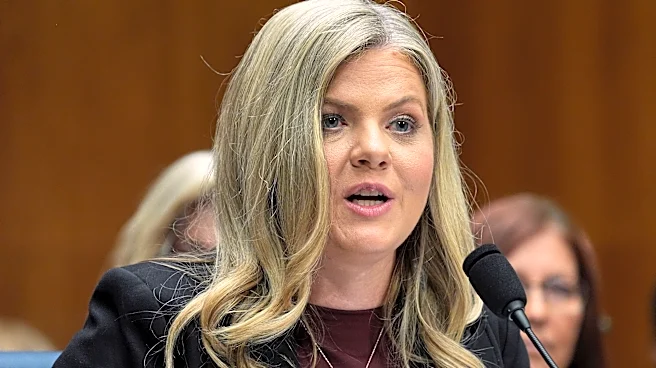
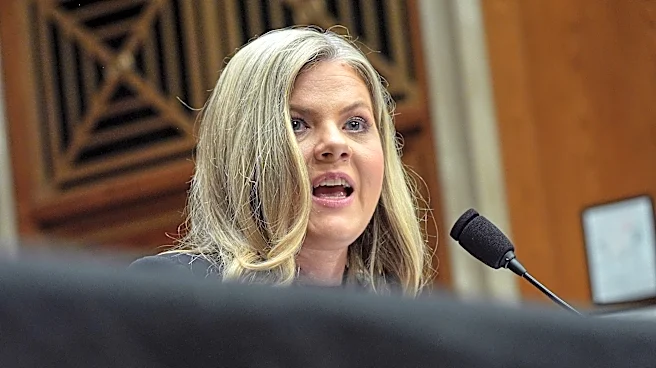
the Native American Housing Assistance and Self-Determination Act (NAHASDA) through 2033. The legislation seeks to expand access to financing tools, streamline environmental reviews, and enhance support for Native veterans. During the committee meeting, Senator Murkowski introduced an amendment, adopted by voice vote, to increase NAHASDA's de minimis threshold from $5,000 to $22,500 and correct a Native Hawaiian homelessness provision. The committee's vote follows testimony from federal officials and a Cherokee Nation leader highlighting issues such as overcrowded homes, rising construction costs, aging infrastructure, and federal requirements that impede housing development in Native communities.
Why It's Important?
This legislative advancement is crucial for addressing the severe housing challenges faced by Native families across the United States. The reauthorization and modernization of NAHASDA, a primary federal housing law for Native communities, are long overdue, with the last reauthorization occurring over a decade ago. By expanding financing options and streamlining environmental reviews, the bill aims to accelerate housing development and make homeownership more attainable. The increase in the de minimis threshold will provide greater flexibility for tribes in managing smaller housing projects. This effort is vital for improving living conditions, promoting economic stability, and ensuring that Native veterans receive adequate housing support, directly impacting the well-being and self-determination of tribal nations.
What's Next?
With the Senate Committee on Indian Affairs having approved the bill, it is now eligible for consideration by the full Senate. The bill's House companion, introduced in March, remains in committee, indicating that further legislative coordination will be necessary for its ultimate passage. Advocates for Native housing will likely push for swift action in both chambers to ensure the bill becomes law. If passed, the legislation would provide a modernized framework for Native housing programs for the next seven years, potentially leading to significant improvements in housing infrastructure and access within tribal communities. The implementation of the new provisions, particularly regarding financing and environmental reviews, will be a key focus.
Beyond the Headlines
The advancement of this bill underscores the persistent and systemic housing inequities faced by Native American and Native Hawaiian communities. Beyond the immediate benefits of improved housing, the legislation represents a step towards greater tribal sovereignty and self-determination by providing more flexible tools and reducing bureaucratic hurdles. The challenges highlighted during the committee hearing, such as overlapping environmental reviews and income limits, reflect broader issues of federal policy impacting tribal governance and development. This bill's success could set a precedent for future legislative efforts aimed at empowering tribal nations and addressing historical injustices, fostering long-term community resilience and economic growth.