



What's Happening?
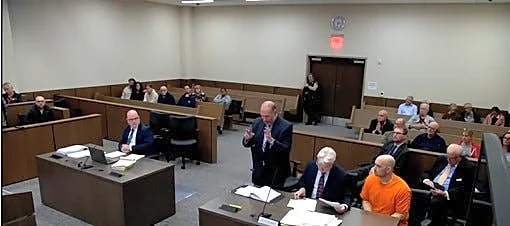
A 27-year-old businessman, Nicholas Male, has been sentenced to 18 months in prison for forging letters purportedly authored by President Yoweri Museveni and the Office of the Prime Minister. Male pleaded guilty to seven counts of forgery and uttering
false documents under a plea-bargain agreement. The charges stemmed from an incident where Male introduced himself as a government employee and a relative of the Prime Minister to Dr. Sadala Musoke, managing director of National Oil Distributors. Dr. Musoke had sought an extension of a contract related to transport services through MV Kalangala and handed a letter addressed to President Museveni to Male for delivery. Male subsequently forged a letter, allegedly signed by the President, extending the contract for 15 years. The forgery was discovered when Dr. Musoke attempted to verify the letter's authenticity. A search of Male's home uncovered additional forged letters, leading to further charges. Senior Principal Magistrate Winnie Nankya adopted the plea-bargain agreement, with sentences running concurrently and time spent on remand deducted.
Why It's Important?
This case highlights the vulnerability of government processes and the potential for individuals to exploit official channels through forgery. The act of forging a president's signature and official documents undermines the integrity and authority of government institutions. Such incidents can erode public trust in official communications and create significant administrative and legal complications. For businesses, it underscores the critical need for rigorous verification processes when dealing with government contracts and official correspondence to prevent falling victim to fraudulent schemes. The prosecution emphasized the seriousness of the offenses, noting that they undermine the authority of the President and government offices, and that a deterrent sentence is necessary to discourage similar conduct. The incident also reflects on the image and credibility of government institutions, particularly when forged appointment letters are involved.
What's Next?
Nicholas Male will serve his 18-month prison sentence, with the time already spent on remand being factored into his term. The court's decision to impose a deterrent sentence aims to send a clear message regarding the consequences of forging official documents and impersonating government officials. This case may prompt government agencies to review and strengthen their protocols for verifying official communications and signatures to prevent future occurrences. Businesses and individuals will likely be reminded of the importance of due diligence when engaging with government representatives or receiving official documents. The outcome of this case could also lead to increased vigilance from anti-corruption units and criminal investigation directorates in monitoring and prosecuting similar offenses to safeguard the integrity of public administration.
Beyond the Headlines
The deeper implications of this case extend to the broader issue of digital security and authentication in an increasingly interconnected world. While this specific incident involved physical document forgery, the principles of verifying authenticity are paramount across all forms of communication. The ease with which official-looking documents can be fabricated, even without advanced technology, poses a continuous challenge to governance and public trust. This event could spark discussions on implementing more robust digital verification systems for official government documents, such as blockchain-based authentication or advanced cryptographic signatures, to prevent such sophisticated forgeries. Furthermore, it highlights the ethical responsibility of individuals to uphold the integrity of public service and the severe repercussions for those who attempt to subvert it for personal gain, impacting the foundational trust between citizens and their government.