


What's Happening?
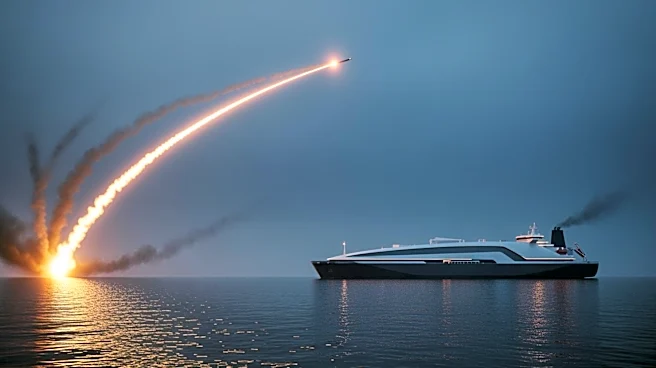
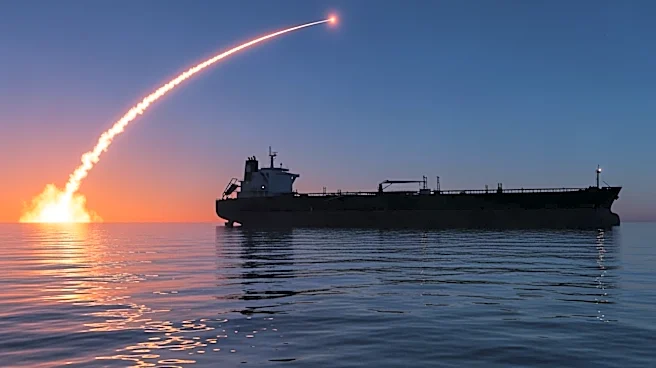
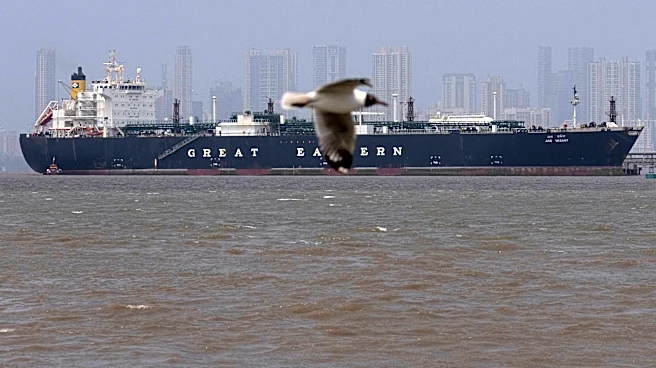
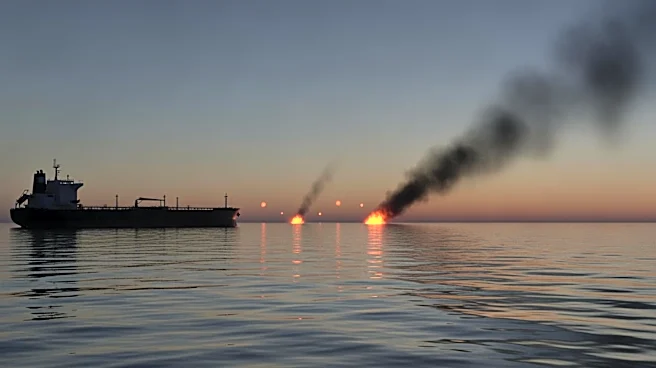
An oil tanker leased to QatarEnergy was struck by an Iranian cruise missile in Qatari waters, as reported by the defense ministry. The attack involved three missiles launched from Iran, with two being intercepted and the third hitting the Aqua 1 fuel
oil tanker. The incident resulted in no casualties, and the vessel sustained damage above the waterline without causing environmental harm. Iran's Islamic Revolutionary Guard Corps claimed responsibility, citing alleged ties between the tanker and Israel. The attack occurred 17 nautical miles north of Qatar's Ras Laffan industrial hub, a significant site for gas production.
Why It's Important?
This incident highlights the growing threats to maritime traffic in the Persian Gulf amid escalating tensions between the U.S., Israel, and Iran. The attack on the Aqua 1 tanker underscores the vulnerability of critical energy infrastructure in the region, which is vital for global energy supplies. The conflict has already impacted Qatar's liquefied natural gas export capacity, threatening energy supplies to Europe and Asia. Such developments could lead to increased volatility in global energy markets and further strain international relations.
What's Next?
The attack may prompt heightened security measures for maritime operations in the Persian Gulf. Qatar and its allies might seek diplomatic or military responses to deter further aggression. The incident could also influence ongoing negotiations and diplomatic efforts aimed at de-escalating tensions in the region. Stakeholders in the global energy market will likely monitor the situation closely, as any disruption in the Gulf could have significant economic repercussions.